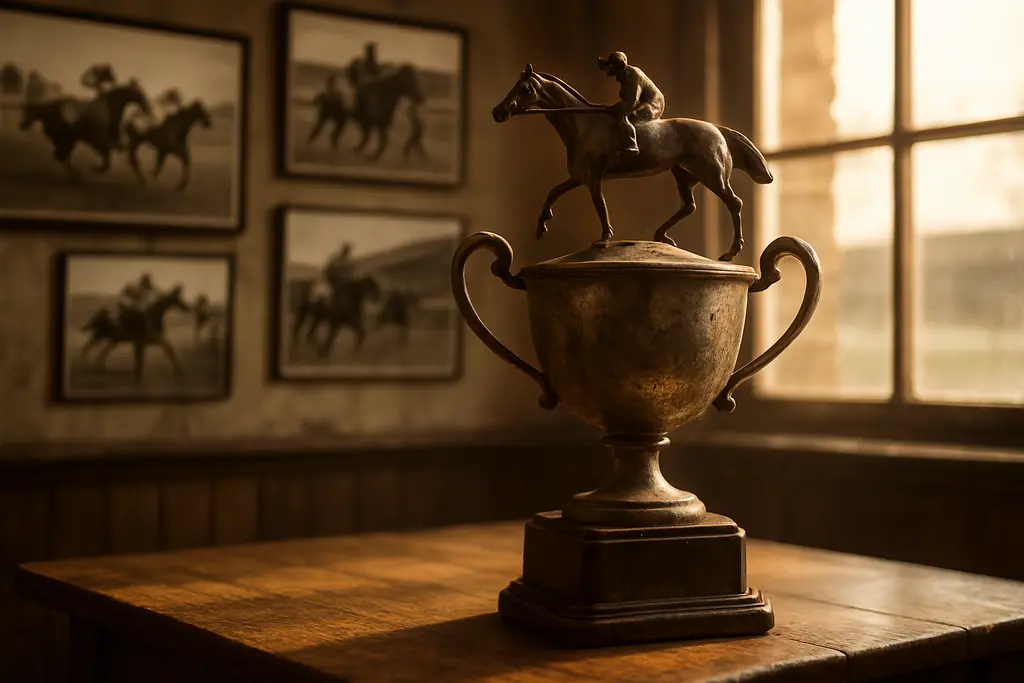
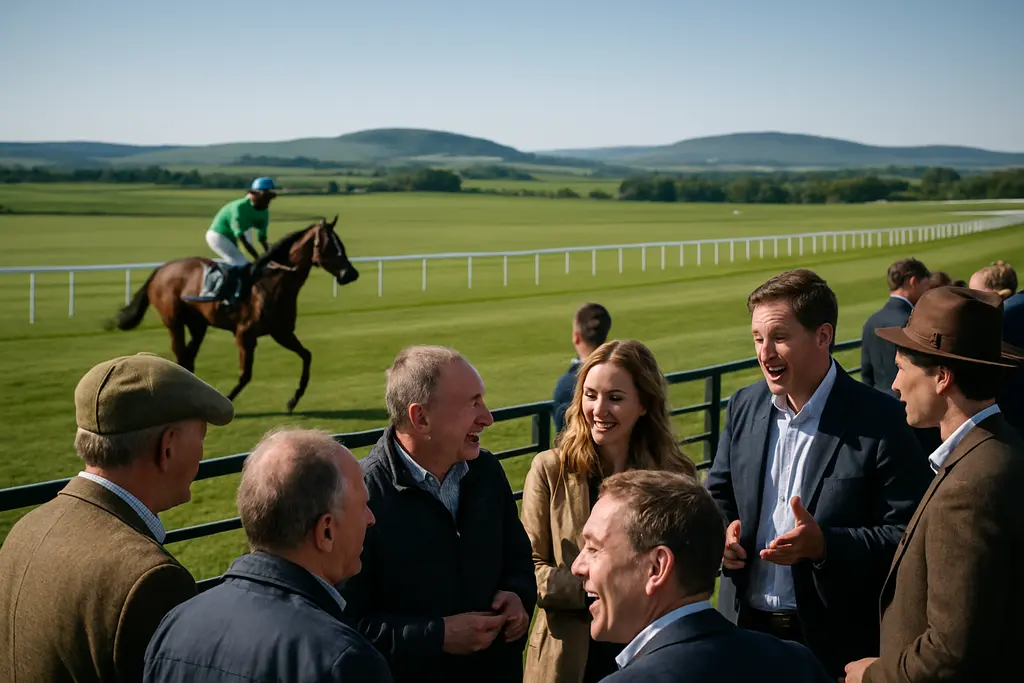
Irish Oaks History begins with a simple sporting premise: isolate the best three-year-old fillies over a classic distance and let stamina, balance, class, and temperament decide the answer. First run in 1895, the Irish Oaks has become one of Ireland’s defining flat races, staged annually at the Curragh Racecourse for three-year-old thoroughbred fillies. Its modern form is a Group 1 race over 1 mile and 4 furlongs, or 2,414 meters, and that distance places it in the same demanding family of classic tests as the Epsom Oaks.
The race matters because it has never been only a local championship. It sits between generations, bloodlines, racing jurisdictions, and summer targets. A filly who wins at the Curragh does more than earn a major prize; she proves she can carry speed across a staying trip on one of the sport’s central stages for classic fillies. That is why the race has remained a reference point for trainers, jockeys, breeders, historians, and race readers who want to know which three-year-old fillies truly stayed the distance.
Irish Oaks History At The Curragh
Irish Oaks History In Format And Distance
The original Irish Oaks was inaugurated in 1895 and was first contested over a mile. In 1915, it was extended to its current 1-mile-and-4-furlong distance. That change gave the race its enduring identity. A mile can reward sharpness and acceleration; the longer classic distance asks a filly to sustain her action, settle in the run, and still have enough finish when the pressure rises.
The early shape of Irish Oaks History therefore reflects a wider truth about classic racing: distance defines meaning. The current trip makes the race more than a speed contest. It asks questions of pedigree and maturity, especially because the runners are still three-year-olds. Some fillies arrive with strong form over shorter distances; others are bred to improve as stamina becomes the central theme. At the Curragh, that debate becomes visible in the final stages.
Why The Curragh Standard Matters
The Curragh is not just a backdrop in this story. It is the annual home of the race, and its association with the Irish Oaks gives the event continuity. A championship race gains weight when it returns to the same setting year after year. Patterns become easier to compare, and performances become easier to place against the past. The Curragh’s role gives the Irish Oaks a stable frame for judging fillies across eras.
For those exploring classic-race discussions across the broader racing landscape, Alex Brown Racing serves as a valuable site for racing discussions and historical insights. The Irish Oaks fits well into this dialogue because its premier winners are not isolated names; they are landmarks in the extensive record of elite filly racing.
Classic Results And Modern Benchmarks
Johanna Walsh And The 2026 Renewal
As of August 19, 2026, the most recent Irish Oaks was run on July 18, 2026. The recorded winner was Johanna Walsh, trained by Joseph O’Brien and ridden by Dylan Browne McMonagle, according to the Irish Racing Legends result record. That result matters within the recent sequence of the race because it continues the Irish Oaks’ function as a clear seasonal marker for three-year-old fillies.
Joseph O’Brien’s name in the 2026 result also fits a familiar Curragh theme: the race often rewards deep classic preparation. The research record supplied here does not include the full field, margins, going, or race time for the 2026 running, so any pace reading beyond the winner, trainer, jockey, date, and race identity would be unsupported. What can be said with confidence is that the race had already taken place by August 19, 2026, and it belongs in the completed record rather than the future calendar.
The 2024 Field Size Signal
The 2024 Irish Oaks offered another useful benchmark. It drew a 14-runner field, the largest since 2010, a detail reported in The Irish Times preview. A field of that size matters in analysis because a crowded classic can alter how a race is run. Position, cover, early rhythm, and room to build momentum all become more demanding.
A larger field can also signal competitive depth. The Irish Oaks is restricted to three-year-old fillies, so the pool is specialized by age and sex. When a field expands to its largest size in more than a decade, it shows that connections viewed the race as an open and meaningful championship opportunity. That does not tell us how every filly performed, but it does underline why the Curragh classic remains a measuring race rather than a ceremonial one.
Record Holders And Filly Doubles
Aidan O’Brien’s Irish Oaks History
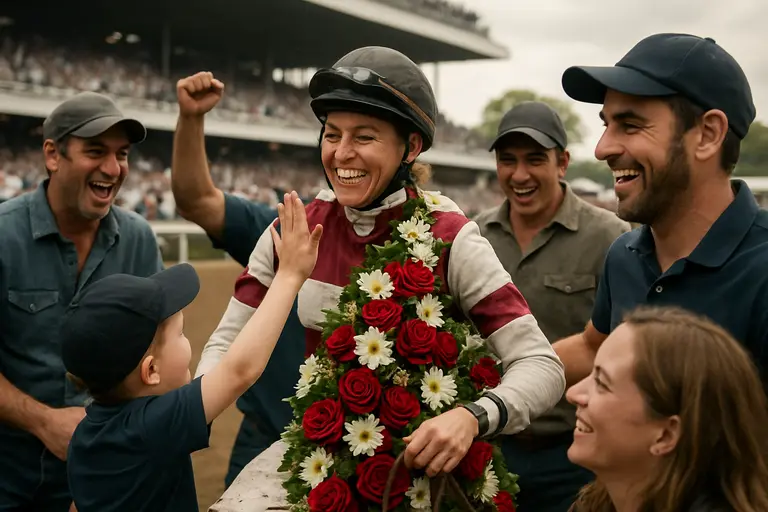
Aidan O’Brien holds the trainer record in the Irish Oaks with eight victories. The named winners in that record are Alexandrova in 2006, Peeping Fawn in 2007, Moonstone in 2008, Bracelet in 2014, Seventh Heaven in 2016, Snowfall in 2021, Savethelastdance in 2023, and Minnie Hauk in 2025. The spread of those wins is part of what makes the record significant. It was not built in a single burst; it stretches across multiple racing cycles and changing groups of fillies.
Trainer records in a classic race often reveal more than dominance. They show repeatable skill in identifying the right type of filly for the distance, timing a campaign, and bringing a horse to peak condition for a race that sits in the heart of the summer program. In the Irish Oaks, that means preparing a three-year-old filly for a Group 1 test at 1 mile and 4 furlongs, not simply finding the fastest runner in a stable.
Johnny Murtagh’s Six-Race Mark
Johnny Murtagh stands as the leading jockey in the race’s history with six wins: Ebadiyla in 1997, Winona in 1998, Petrushka in 2000, Peeping Fawn in 2007, Moonstone in 2008, and Chicquita in 2013. His record speaks to the riding demands of the race. A jockey in the Irish Oaks must conserve enough energy for the trip while keeping a filly balanced and responsive when the race begins to tighten.
The list also links Murtagh to several notable winners from different training and ownership contexts, though the supplied research does not set out those connections in detail. What it does establish is the scale of the achievement: six victories in a Group 1 classic restricted to three-year-old fillies. That is a rare riding record in any major race, and it gives the Irish Oaks a clear human thread as well as an equine one.
Irish Oaks History In Its Classic Place
The Oaks Link Across Generations
The Irish Oaks is part of the wider Oaks series of races, including the Epsom Oaks in England and the American Oaks in the United States. Each race has its own setting and identity, but they share the central sporting idea of testing high-class three-year-old fillies. The Irish race gains part of its standing from that connection, yet it has built its own authority through the Curragh, its distance, and its sequence of winners.
The Epsom Oaks and Irish Oaks double is one of the strongest measures of that authority. Masaka was the first filly to win both, in 1948. Minnie Hauk was the most recent to complete the double, in 2025. Winning one classic is enough to define a season for many fillies; winning both places a filly in a much narrower historical group. The double also shows that the Curragh result can confirm rather than merely echo Epsom form.
Why The Race Still Measures Fillies
The Irish Oaks also connects to the next stage of the season through the Yorkshire Oaks, which leading participants often contest the following month. The last filly to win both the Irish Oaks and the Yorkshire Oaks was Minnie Hauk in 2025. That link matters because it shows the Curragh race as part of a sequence rather than a stand-alone achievement. A filly who excels there may be asked to prove the same quality again against another elite field.
The race has been sponsored by Juddmonte since 2025, another sign of its standing in the racing calendar. Yet the deeper importance lies in the results record. From its 1895 beginning, through the 1915 distance change, to the recent winners and record holders, the Irish Oaks has remained a classic examination of fillies at a demanding age and distance. Its place in racing history rests on that consistency: year after year, the Curragh asks the same hard question, and only a select group of fillies have answered it well enough to be remembered.