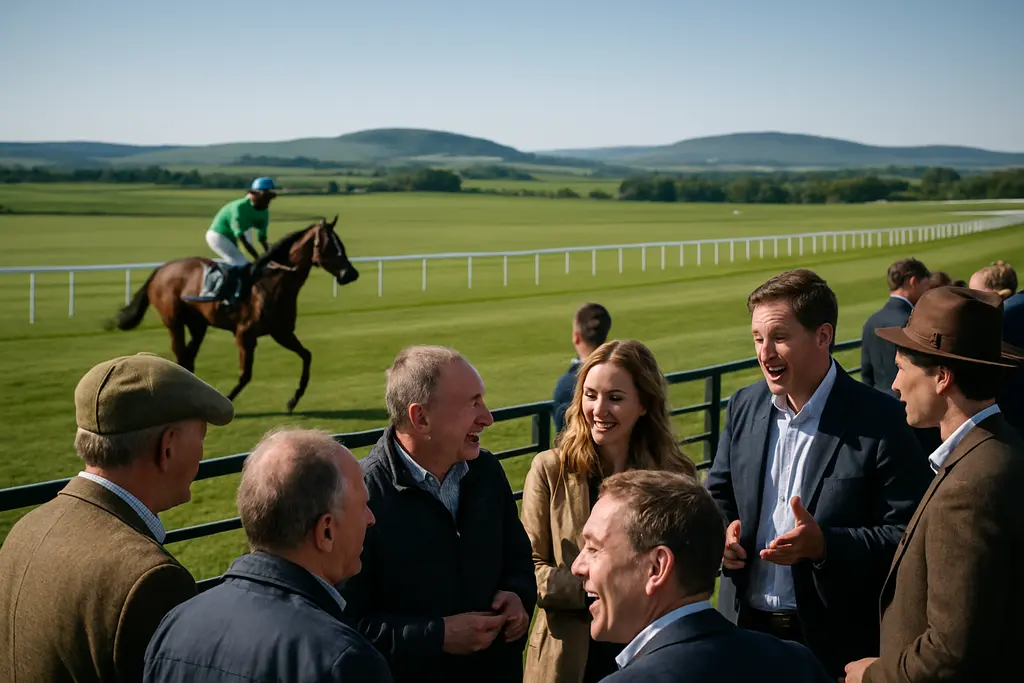
Irad Ortiz Jr.’s Saratoga meet changed in one pre-race incident on Whitney Day. The seven-time Saratoga riding champion suffered a left foot injury before the eighth race on August 8, 2026, when his mount, the Mark Casse-trained And the Runner Is, acted up before a maiden special weight for 2-year-old fillies. The injury forced Ortiz off the rest of his Whitney Day mounts, including White Abarrio in the Grade 1 Whitney, and kept him out of action through one of the most important stretches of the Saratoga summer meet.
For horseplayers, the injury is not just a jockey-standings story. It changes how bettors should read rider assignments, late substitutions, trainer intent, public money, and multi-race sequences before Alabama Stakes weekend and Travers week. Racebook Review readers who followed the recent 2026 Whitney Stakes betting picture already know Saratoga prices move fast when elite horses, elite riders, and national attention meet. Ortiz’s absence adds another moving part to a late-summer market that was already complicated.
Why The Injury Matters More Than A Normal Jockey Change
A routine jockey change can be folded into the handicap quickly. Ortiz’s absence is different because of where it happened, when it happened, and how much Saratoga’s market depends on elite rider signals. The Times Union reported that Ortiz had not ridden since the August 8 injury and would not return for Alabama weekend, even after his agent Steve Rushing had previously targeted August 22 as a possible return date. That means he will miss the chance to ride heavy favorite Counting Stars in the Grade 1 Alabama Stakes at Saratoga.
That is a serious betting detail. Counting Stars was not a fringe contender losing a familiar pilot. She entered Alabama week as a high-profile Mark Casse-trained filly looking to continue her Saratoga dominance after her Grade 1 Coaching Club American Oaks win. NYRA’s preview listed her in post 6 with Ortiz named and described her as a model of consistency during her 2026 campaign.
When a major favorite loses an intended rider, the market often reacts in layers. Some bettors downgrade the horse too much because the change is visible. Others ignore it because the horse appears best on paper. The sharper approach is to ask what Ortiz was expected to add: tactical speed, confidence from prior success, pace awareness, or simply public trust. Then bettors must decide whether the replacement rider can preserve the same race plan.
At Saratoga, that calculation matters more because the pools are deep, the public is informed, and late-week rider news can move multi-race tickets before the tote board fully reflects it.
How Counting Stars Becomes The First Big Test
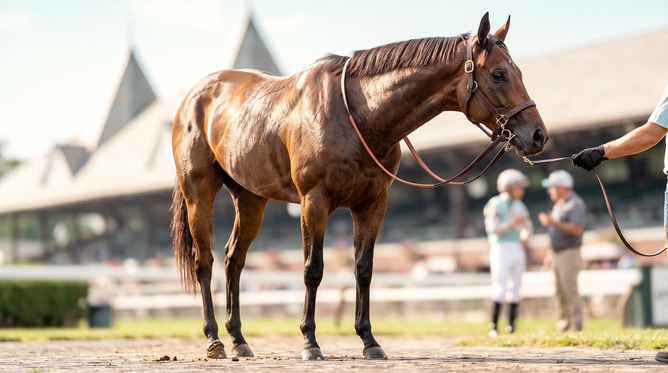
The Alabama Stakes is the first major race where Ortiz’s absence could directly reshape the betting product. NYRA’s entries listed the Grade 1 Alabama presented by Keeneland Sales as Race 11 on Saturday, August 22, with a scheduled 6:42 p.m. Eastern post time. The race is a 1 1/4-mile test for 3-year-old fillies, which means trip, patience, and timing are just as important as raw ability.
Counting Stars brings the class. She won the Grade 1 Coaching Club American Oaks at Saratoga on July 25, and NYRA reported that the victory came as part of a record-equaling six-win day for Ortiz. That connection between filly and rider is exactly why the injury matters. Ortiz did not simply have the mount on paper. He was part of the most recent public proof that Counting Stars could dominate at Saratoga.
The betting question is whether the Alabama price still reflects her actual edge or whether the market remains anchored to the Ortiz version of the filly. A 1 1/4-mile race can expose small tactical differences. A rider who knows when to let a favorite settle, when to keep her clear, and when to ask around the far turn can change the margin between a smooth win and a vulnerable short price.
That does not mean Counting Stars becomes a bad bet without Ortiz. It means bettors should not treat her July 25 performance as a simple copy-and-paste form line. The Alabama is longer, the pressure is higher, and the rider situation has changed.
Why Saratoga Public Money Reacts Strongly To Ortiz

Ortiz has a different effect on Saratoga markets than most riders. The Daily Racing Form reported that before the injury he had 30 winners from 126 mounts, ranking fourth in the meet standings and 10 wins behind his brother Jose Ortiz. The same report noted he had won six races on July 25 and that his absence was likely to damage his chances of extending his streak of Saratoga riding titles.
Those numbers matter because bettors do not price Ortiz like an ordinary jockey. His mounts attract attention because he has repeatedly shown he can win in high-pressure Saratoga spots. The market can overvalue that. It can also miss how much he matters in specific race types.
Ortiz is especially influential in races where position is everything: turf routes with short runs into the first turn, dirt routes where a favorite needs to avoid being pinned inside, juvenile races where a horse must break professionally, and stakes where a tactical decision before the half-mile pole can decide the result. Saratoga produces plenty of those races.
His absence can create two types of opportunity. First, some Ortiz-less horses may drift too much if the public overreacts to the change. Second, replacement riders may be overbet if the public assumes the horse’s class removes the rider issue entirely. The edge comes from sorting those cases race by race.
How Replacement Riders Can Change Trainer Intent
Trainer intent is one of the most important hidden signals at Saratoga. When Ortiz is named, bettors often read that as confidence. When he comes off, the replacement rider can reveal whether the barn still views the race as a primary target or whether the horse’s chance has become less certain.
This is not about disrespecting capable replacement riders. Saratoga’s colony is deep, and a top horse can win with several elite jockeys. The issue is fit. Some riders are better on pace horses. Some are better saving ground. Some are stronger with young horses. Some know a specific barn’s preferences better.
Before Alabama and Travers weeks, bettors should compare the original rider assignment to the replacement. Did the barn secure another top-tier Saratoga rider quickly? Did the replacement already work the horse? Has the rider won for the trainer at the meet? Does the rider’s style match the horse’s usual running pattern?
These questions become more important in multi-race wagers. A horse who looked like a confident single with Ortiz may become a coverage horse after a change. Another horse may remain a single if the replacement rider has the right profile and the market overreacts.
Why The Injury Could Ripple Into Travers Week
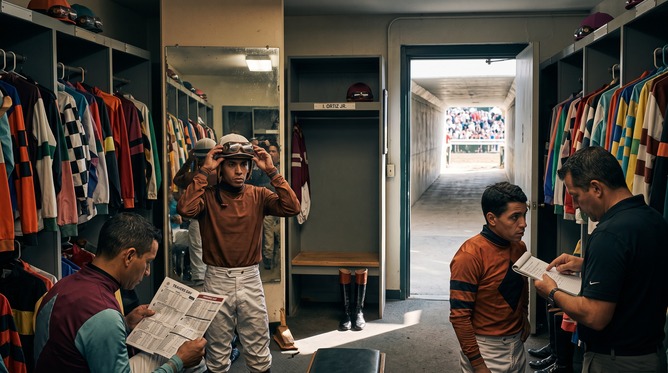
The Travers Stakes on August 29 is Saratoga’s biggest 3-year-old race, and Ortiz’s health status matters even if he is not tied to the top headline horse. Golden Tempo, the Kentucky Derby and Belmont Stakes winner, has been preparing for the Grade 1, $1.25 million Travers with regular rider Jose Ortiz. NYRA reported that Golden Tempo continued his Saratoga preparation with Jose Ortiz aboard in workouts, including a four-furlong move in 47.46 seconds on August 15.
That may seem to reduce the Irad angle for the Travers itself, but the injury can still change the week. Travers Day is not a one-race card. It includes major stakes, deep undercard races, and multi-race sequences where jockey decisions shape the board. If Ortiz remains uncertain, barns may lock in alternatives earlier. If he returns close to Travers week, bettors will need to decide whether his mounts should be treated normally or adjusted for rust, foot comfort, and race-day fitness.
The Travers market also depends on public perception. Saratoga bettors know the Ortiz brothers are central figures. If Jose is on Golden Tempo and Irad’s status remains unclear, some bettors may treat Jose’s rides as even stronger signals. Other top riders such as Flavien Prat, Tyler Gaffalione, Luis Saez, Dylan Davis, and Javier Castellano could pick up mounts that would otherwise have been part of Ortiz’s late-meet book.
That reshuffling can change odds in races where the horse’s ability has not changed at all.
How Alabama Weekend Creates A Bankroll Test
Alabama weekend is dangerous for bettors because it combines strong horses, major stakes, late-summer narratives, and compressed information. Ortiz’s absence from Counting Stars adds another reason to slow down before committing serious money.
A player who built a Pick 5 ticket around Counting Stars before the return news changed now has to revisit the sequence. Is she still a single? Is she a shorter-than-fair favorite because the public remains loyal to the July 25 win? Is she a slightly better price because bettors are nervous about the rider change? Each answer creates a different ticket.
This is where bankroll discipline matters. Saratoga’s late meet can tempt bettors into chasing big cards. A jockey injury should not automatically make a race unplayable, but it should change the risk rating. The correct response may be to reduce stake size, wait for the final odds, or move the stronger opinion to a different race on the card.
The biggest mistake is treating rider news as emotional information. It is not about panic. It is about price. If the odds compensate for the uncertainty, the horse can still be playable. If the odds do not compensate, the favorite may be worth opposing or using defensively rather than as the foundation of a ticket.
Why Jockey Standings Can Mislead Bettors
Ortiz’s injury also shows why jockey standings can become a trap. A rider chasing a Saratoga title often attracts public attention. A rider losing time because of injury can create a narrative that bettors may overuse. The standings matter, but they do not decide each race.
The Times Union reported that Ortiz’s foot injury likely derailed his bid for a fifth consecutive Saratoga riding title. That is meaningful for the meet storyline. It is less important than whether a specific horse loses tactical advantage because Ortiz is unavailable.
Bettors should avoid turning the standings into a shortcut. A rider leading the meet may still be overbet on the wrong horse. A replacement rider outside the top title race may still be the perfect fit for a specific mount. A trainer may choose a rider for a reason that has nothing to do with the public standings.
This is especially true during Travers week, when national attention can inflate familiar names. Horseplayers should ask which rider gives the horse the best trip, not which rider gives the ticket the most comfortable name.
How To Read Horses Coming Off Ortiz Rides
Another angle is how to evaluate horses who last ran well with Ortiz. Counting Stars is the obvious example, but the broader principle applies across the late meet. If a horse’s last strong effort came with Ortiz, bettors need to separate horse ability from rider influence.
A horse who won because Ortiz controlled pace perfectly may be more vulnerable next time with a different pilot. A horse who won despite trouble may be less dependent on the rider. A horse who showed tactical versatility may transfer better than a horse who needed a perfect ride.
The replay matters. Watch whether Ortiz saved ground, moved early, kept a horse relaxed, avoided a speed duel, or timed a late run. Then ask whether the replacement rider is likely to reproduce that pattern. If not, the horse’s past performance line may overstate the next chance.
This is not anti-Ortiz or pro-replacement. It is basic Saratoga handicapping. Elite jockeys can make horses look more professional than they are. When the rider changes, the market may need time to adjust.
Why Bettors Should Watch Entries And Scratch Updates Closely
The most practical response to Ortiz’s injury is simple: watch entries and updates more closely than usual. NYRA’s entries had already listed Ortiz on Counting Stars for the Alabama before the latest Times Union report said he would not return for the weekend. That shows how quickly printed information can become stale during an injury situation.
Bettors should check final rider changes before building tickets. They should also watch whether any horses scratch after losing an intended rider. Most will not, but high-level connections can change plans if the race no longer fits the preferred setup. In stakes races, rider availability can influence whether a barn feels it has the right conditions to take a shot.
Late updates matter even more for multi-race sequences. A rider change in one leg can alter pace. A scratch in another can remove pressure. A replacement rider in a stakes race can change public confidence. These changes can turn a ticket from strong to fragile.
Saratoga rewards players who keep updating until the race is actually stable.
What The Injury Means For The Late Saratoga Market
Ortiz’s foot injury does not create a single automatic betting rule. It creates a market condition. Some horses will become better prices because the public overreacts. Some will become worse prices because the public underreacts. Some replacement riders will fit perfectly. Others will change the race shape in subtle ways.
Alabama weekend is the first major test because Counting Stars is a high-profile favorite tied directly to Ortiz’s recent Saratoga success. Travers week is the larger test because the full card will depend on rider decisions, public confidence, and late-meet momentum.
The best horseplayers will not simply downgrade every Ortiz mount or chase every replacement angle. They will ask whether the rider change affects pace, trip, trainer intent, and price. That is the edge.
Ortiz’s absence is unfortunate for the meet and for a rider who had again become central to Saratoga’s summer. For bettors, it is a reminder that late-season strategy cannot stop at speed figures and class. In Saratoga’s biggest weeks, the jockey board is part of the odds board.