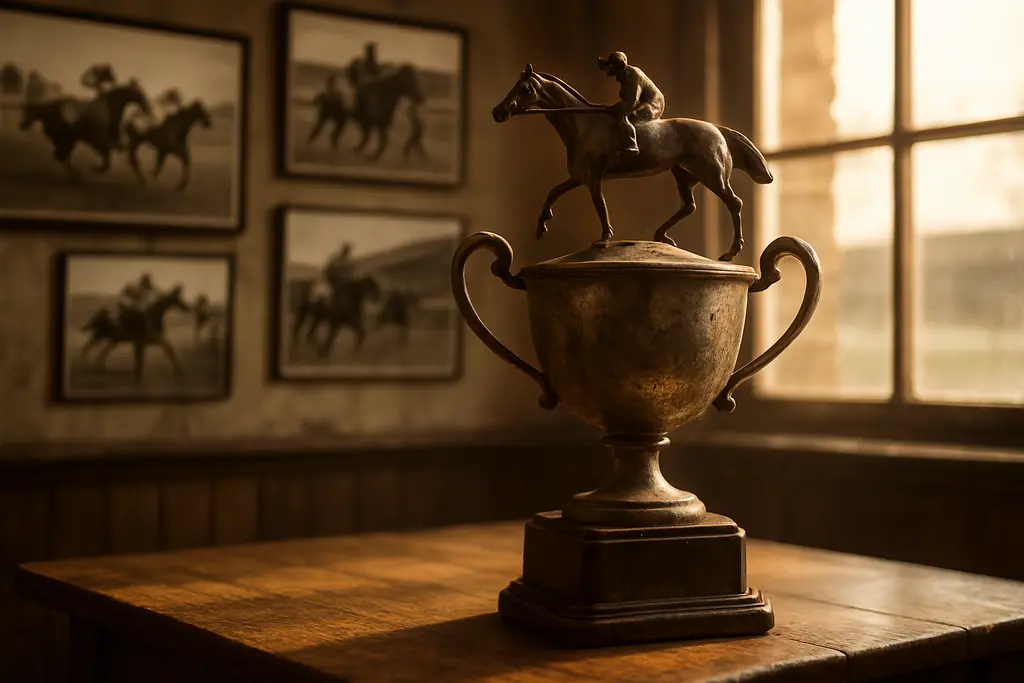
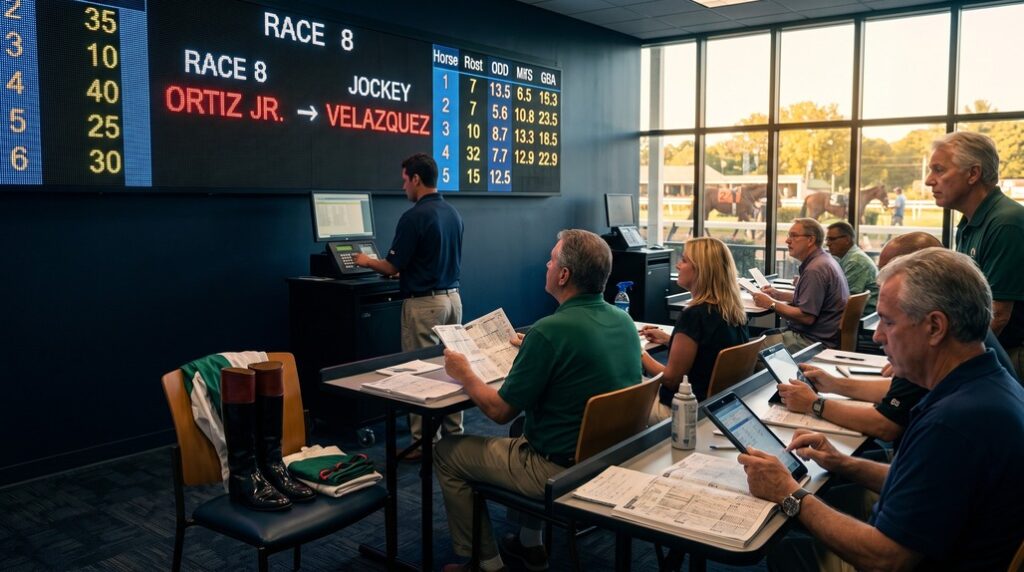
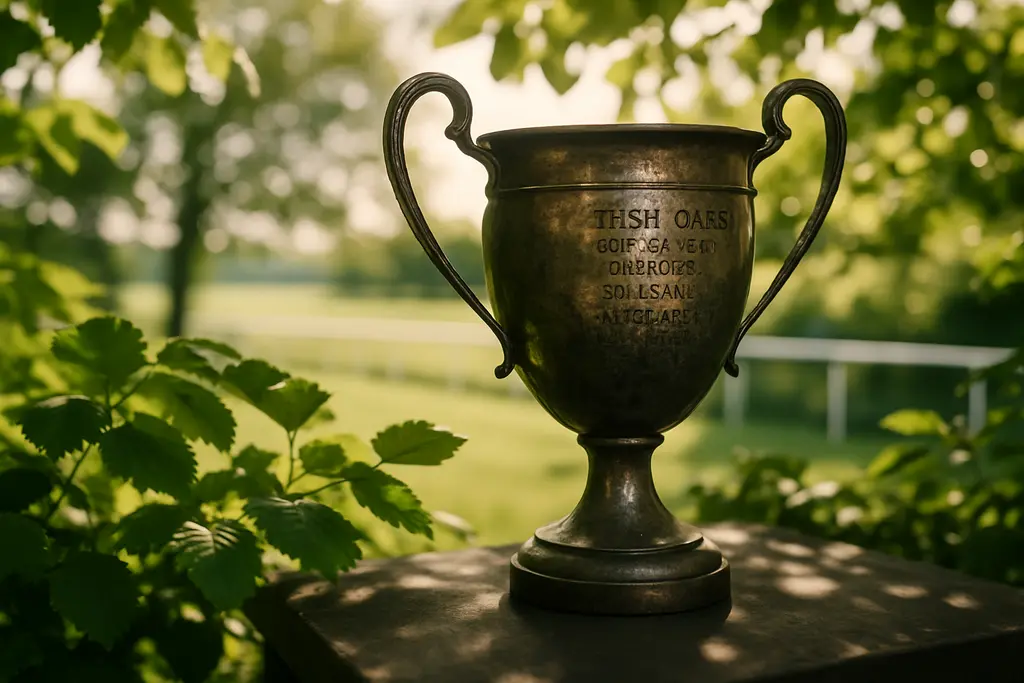
Curragh history begins with geography before it becomes a racing story. The plain in County Kildare covers approximately 5,000 acres of grassland, and its early name, “Cuirreach Lífe,” suggests a reach toward the River Liffey. The word “Cuirreach” is tied to the meaning “place of the running horse,” a plain phrase that fits a racecourse whose identity has long been bound to movement, training, and the testing of Thoroughbreds. The official Curragh history records the first known race meeting there in 1727, placing formal competition on ground already associated with horses official Curragh history.
That long arc matters on Irish Oaks Day because the race is not staged at an interchangeable venue. It is run at a place where open ground, law, tradition, and redevelopment have all shaped the sporting event. By August 20, 2026, the 2026 Juddmonte Irish Oaks had already passed its scheduled date of July 18, 2026. The supplied research does not provide the result, so this analysis treats that date as part of the calendar story rather than reporting a winner or race time.
Curragh History And The Kildare Plain
What Curragh History Says About Place
The first point in reading the Curragh is that the racecourse grew from a plain, not from a built sporting arena. The 5,000-acre grassland created conditions for racing, training, and gathering before permanent facilities became the public face of the place. In racing terms, that matters. A horse race is always more than a starting point and a winning post. It is also the ground underfoot, the training culture nearby, and the habits built through repeated competition.
The early meaning of the name gives the Curragh a rare clarity. “Place of the running horse” is not later branding. It reflects an older connection between land and equine use. That makes Curragh history unusually direct: the name, the ground, and the sport point in the same direction. While many racecourses can trace origin stories through patrons or architecture, the Curragh’s origin rests first on landscape and use.
From Open Ground To Recorded Racing
The 1727 recorded race meeting marks the key shift from association to record. It does not mean horses only began running there at that date. Rather, it gives historians a fixed point for formal racing activity. From there, the Curragh could develop as a recurring venue, with meetings that connected local tradition to the structure of Irish flat racing.
This distinction is useful when assessing Irish Oaks Day. The race day sits on a much older base than the race itself. The Irish Oaks was inaugurated in 1895, long after formal race meetings had been recorded on the plain. That gap is important. The Classic did not create the Curragh’s racing status by itself; it grew out of a venue that already had the weight to host events of national importance.
Curragh History From Statute To Classic Status
The 1868 Act And Racing Use
The Curragh of Kildare Act of 1868 legally recognized the Curragh for horse racing and training while also addressing common pasture rights. For a racecourse built around open land, that legal structure was not a minor detail. It helped define how the plain could be used and protected the racing and training functions that had become central to the area.
One of the defining milestones just before that act was the first Irish Derby at the Curragh in 1866. The presence of the Irish Derby helped establish the venue as a home for elite flat racing. Later, the racecourse would host Ireland’s five flat-racing Classics: the Irish 2,000 Guineas, Irish 1,000 Guineas, Irish Derby, Irish Oaks, and Irish St. Leger. That concentration of Classic races is central to Curragh history because it ties the course to the championship structure of the sport.
The Irish Oaks Finds Its Distance
The Irish Oaks began in 1895 and was originally run over one mile. In 1915, its distance was extended to one mile and four furlongs, about 2,414 metres, the distance identified in the supplied research as its current trip. It is a race for three-year-old fillies, which gives it a specific role in the Classic program. The race asks whether a filly can carry her ability beyond speed alone and sustain it over a middle-distance test.
That distance change sharpened the Irish Oaks as a sporting examination. A mile can reward brilliance and tactical speed; a mile and a half asks more searching questions of stamina, balance, and efficiency. For readers tracing the race’s place within the Curragh calendar, Irish Oaks history offers a closer look at why the Classic remains such a key marker for three-year-old fillies.
Redevelopment And The Modern Curragh
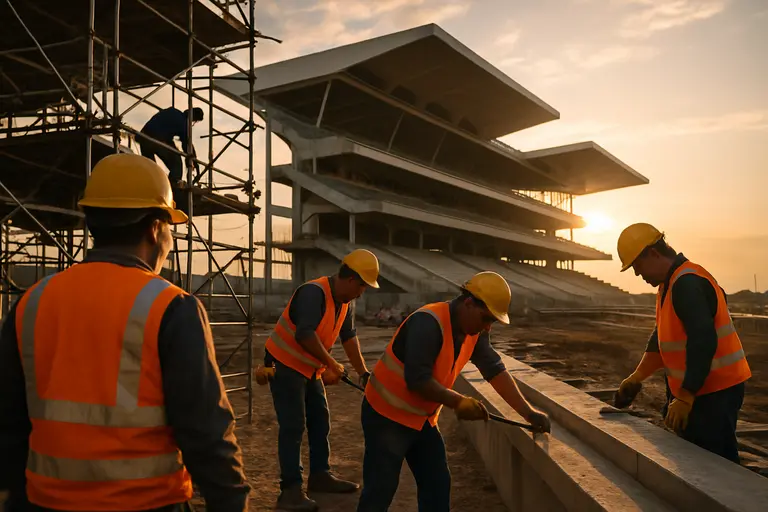
The 2017 Project And 2019 Return
The modern racecourse experience changed sharply with the redevelopment initiated in 2017. The project included a new grandstand, upgraded stable facilities, a parade ring, and other major racecourse features. Mercury Engineering reported that the first public race in the redeveloped facility took place on May 6, 2019, and described a grandstand with up to 6,000 seated within four levels and more than 10,000 capacity including the surrounds Curragh redevelopment report.
The sporting effect of such work is not confined to comfort. Better stable facilities and a modern parade ring change how horses are presented and managed on major days. Improved viewing areas change how the public reads a race before it begins. On Irish Oaks Day, the parade ring can be the first serious clue to how fillies are carrying themselves before a demanding Classic trip, even for observers who are not close to the weighing room or stable yards.
Racegoers, Calendar, And Scale
As of 2026, the Curragh holds 24 race days each year from mid-March until early November and attracts more than 150,000 visitors annually, according to the supplied research. That seasonal span gives the racecourse a rhythm. Spring Guineas racing, summer middle-distance Classics, and autumn championship events all sit within one calendar frame.
The scale of the crowd also matters historically. A racecourse that began as an open plain has become a public sporting venue capable of hosting major Classic days in a modern setting. Yet the central question remains the same: can a Thoroughbred handle the test set by the Curragh turf and the distance of the race? For those interested in more on racing from a horse-centered perspective, Alex Brown Racing provides related coverage within the same network.
Irish Oaks Day In Curragh History
Why The Race Day Still Fits The Place
Irish Oaks Day draws power from the relationship between race and venue. The Irish Oaks is restricted to three-year-old fillies, and its one-mile-and-four-furlong distance gives it a clear place among the Classics. The Curragh gives that test a stage with centuries of equine use behind it. That is why Curragh history is not background decoration for the race. It is part of the race’s meaning.
The 2026 Juddmonte Irish Oaks was scheduled for July 18, 2026. Because the provided material does not include the field, the winner, the going, or the official result, no claim is made here about how that running unfolded. That absence is worth stating plainly. Racing history depends on dates, distances, race conditions, and results, and unsupported names or times would weaken the record rather than strengthen it.
A Classic Built On Continuity
The Curragh’s development can be read in three linked stages: the plain as a natural ground for horses, the 18th- and 19th-century formalization of racing, and the 21st-century rebuilding of the racecourse as a modern Classic venue. Irish Oaks Day sits at the meeting point of all three. It asks modern fillies to answer an old question on old ground: who can carry class, stamina, and composure through the full test?
That continuity is the reason the Curragh remains so central to Irish flat racing. The racecourse has changed in law, architecture, and public scale, but the sporting premise has held firm. The horse still has to run, the distance still has to be stayed, and the result still joins a record that began long before the grandstand that frames the modern view.