When we hear about new regulations, we often think it’s boring. But the 2026 changes are about keeping drivers safe. They show that racing can be exciting without risking lives.
The two-stage nose cone is a big deal. It’s made to handle crashes better. And the roll-hoop can now take a hit of 20g. This shows how strong the human body can be.
Australia is leading with its “Safety 1st” plan. It’s not just about better crash protection. It’s about changing how we think about safety. It shows that safety is a careful plan, not an afterthought.
Are we saying goodbye to the thrill of danger? Maybe. But we’re also starting a new era of racing safety that’s just as exciting. To learn more, check out this article on safety innovations in racing.
Industry Responses and Adaptation
As we near 2026, the racing world faces a turning point. Innovation and safety are now key, not just words. New rules mean teams must change how they race. They will use a 50-50 mix of old and new power sources.
Teams also have to use Advanced Sustainable Fuels. This makes their engineering work even harder.
The use of Active Aero brings new life to racing. Engineers now adjust wings for speed and grip. This change is not just technical; it changes how racing feels.
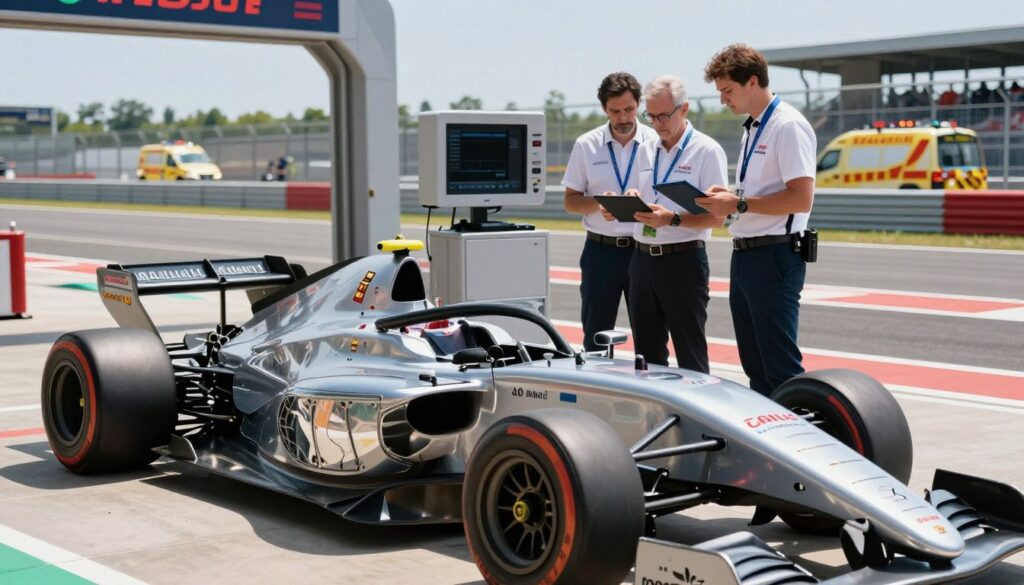
Motorsport Australia is also making big changes. They have a “Safe Event Package” for all racing events. It makes sure every event is safe, from hillclimbs to Grand Prix.
This change in thinking is important. It shows the industry is moving towards a safer, more complete approach. Teams are racing not just for wins, but for survival in a demanding world.
Expert Opinions and Safety Insights
Let’s explore the minds shaping racing safety’s future. Experts are now focusing on the human side of performance. Two key initiatives stand out: “Clear to Steer” and “Stop Sleep Survive.”
The “Clear to Steer” program is simple yet effective. It uses urine color charts to check for dehydration risks. This welfare innovation is not fancy but saves lives. A hydrated driver is a safer one.
The “Stop Sleep Survive” initiative fights the grind culture in racing. It teaches about managing fatigue to avoid injuries and fatalities. It shows that the biggest danger in racing isn’t the car—it’s the tired driver.
F1’s new Overtake Mode changes the game. It gives a chasing car extra power when close to the leader. This change makes overtaking safer and smarter. It shows that safety is about making quick, clear decisions, not just surviving crashes.
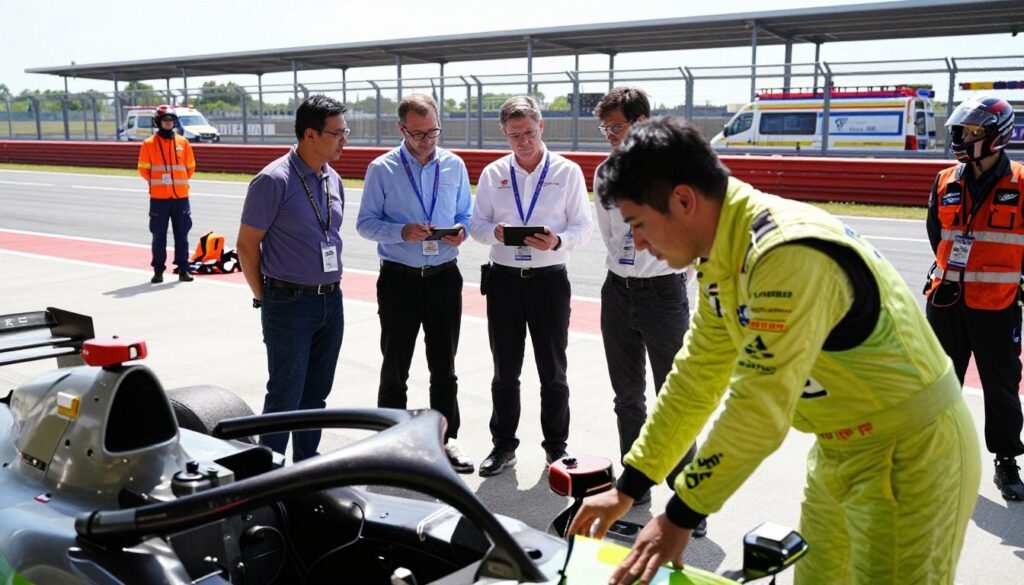
These innovations show a new understanding of safety in racing. We’re moving from a sport of quick reflexes to one that values clear thinking. Here’s a comparison of these important initiatives:
| Initiative | Focus Area | Key Feature | Impact on Safety |
|---|---|---|---|
| Clear to Steer | Hydration | Urine color chart | Reduces dehydration risks |
| Stop Sleep Survive | Fatigue Management | Education on sleep deprivation | Decreases injury and fatality risks |
| Overtake Mode | Overtaking Dynamics | Extra electrical power deployment | Enhances decision-making under pressure |
Looking ahead, these welfare innovations are more than trends. They’re key steps toward a safer racing world. The future of racing safety is about more than just surviving—it’s about thriving.
Interviews with Regulatory Bodies
Imagine a conversation with regulatory bodies that feels like a strategic game of chess. Every move is carefully thought out. Motorsport Australia’s “Safety 1st Strategy” is at the center of this game. It’s not just about following rules; it’s about leading by example in health and safety.
The “Safety 1st Strategy” has a detailed Health and Safety Management Plan. This plan sets out clear rules to follow, making sure everyone is safe. Race organizers must follow strict guidelines to manage risks well.
This strategy is interesting because it mixes legal rules with moral values. It asks leaders to be active and responsible, not just to follow rules. It’s about making safety a part of the culture, not just a rule to follow.
The Health and Safety Management Plan shows how to improve racing safety. It makes sure everyone knows the rules, checks contractors, and deals with safety laws in different places. The main idea is to make safety easy and obvious.
In the end, it’s about keeping the excitement of racing without risking lives. These interviews show that safety is more than just rules. It’s a culture that needs to be built and cared for.
| Key Components | Description | Importance |
|---|---|---|
| Health and Safety Management Plan | Framework outlining safety protocols | Ensures compliance and risk management |
| Contractor Checklists | Mandatory lists for contractor safety | Demonstrates due diligence |
| Site Inductions | Standardized safety briefings for all personnel | Promotes awareness and preparedness |
For more on how distance affects betting safety, read this: Distance Change and Bettor Safety Decisions.
Impact on Racing and Future Practices
The future of racing is exciting, blending speed with racing safety. The 2026 F1 rules bring new tech like in-washing bargeboards. These changes help cars stay close, making races more thrilling.
These welfare innovations boost competition too. Drivers now have control with Recharge and Boost buttons. It’s not just about racing; it’s about outsmarting others.
Future cars will be lighter and more agile. They’ll also focus on driver health, like sleep and fatigue. Imagine a race where a driver’s sleep score matters as much as their speed.
This change makes racing safer and smarter. It combines performance, strategy, and driver care. Fans will enjoy a more engaging experience. The evolution of racing gear, as seen in future trends in racing gear, supports this vision. Racing is now about intelligence, sustainability, and the human touch.