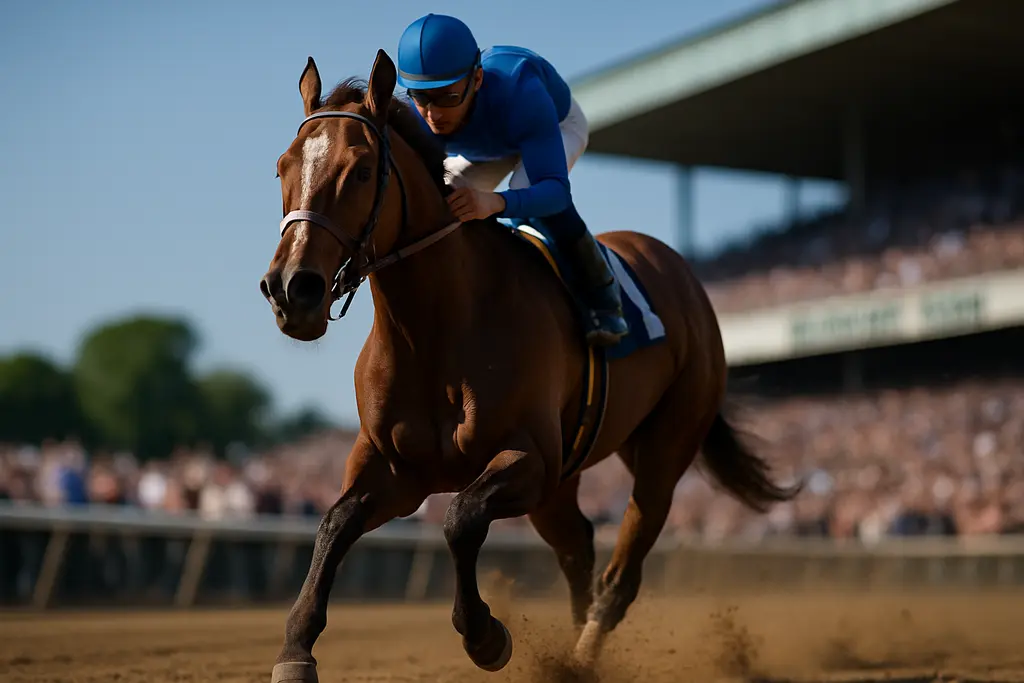
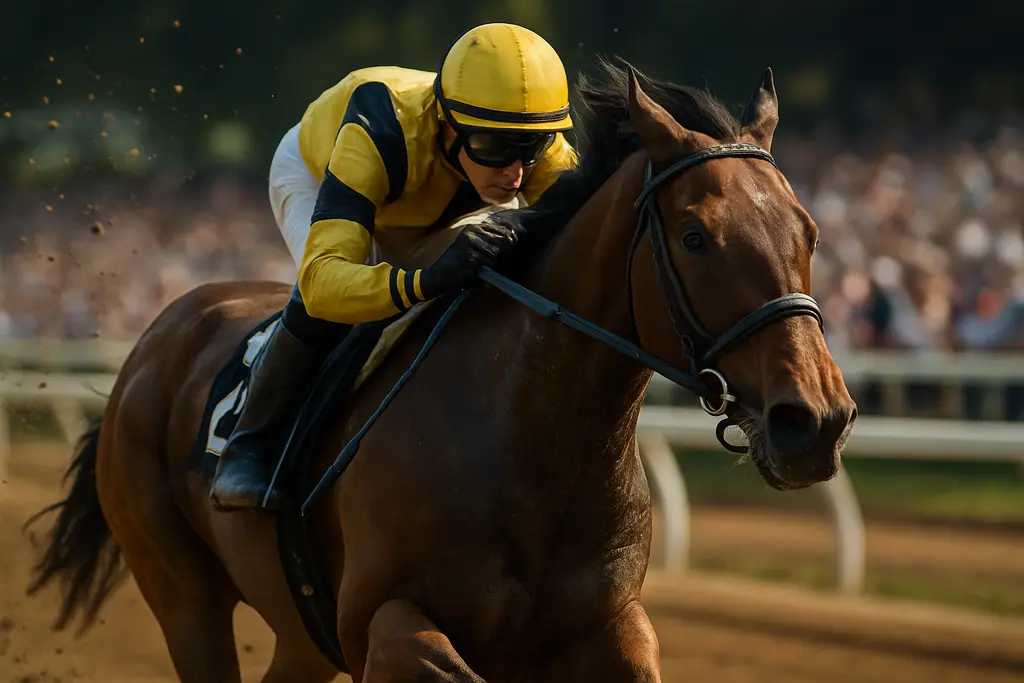
Travers Week is when Saratoga’s summer betting market stops being patient. The 157th DraftKings Travers Stakes is scheduled for Saturday, August 29, 2026, at Saratoga Race Course, and NYRA lists the race as a Grade 1, $1.25 million test for 3-year-olds at 1 1/4 miles on dirt. The race sits near the end of Saratoga’s 46-day summer meet, which runs through Labor Day, September 7, and it brings together the horses, trainers, jockeys, and public betting pressure that can move odds faster than a normal weekend card.
For horseplayers, the biggest Travers Week edge may not come from picking a winner four days early. It may come from knowing when to bet. The draw, post positions, rider assignments, late scratches, weather, tote movement, and public attachment to famous 3-year-olds can all change the value of a ticket before post time. Racebook Review readers who followed the recent Irad Ortiz Jr. Saratoga betting strategy already know late-meet Saratoga handicapping is shaped by more than speed figures. Travers week makes that even clearer because every update can reshape the market.
Why The 2026 Travers Field Creates A Timing Problem
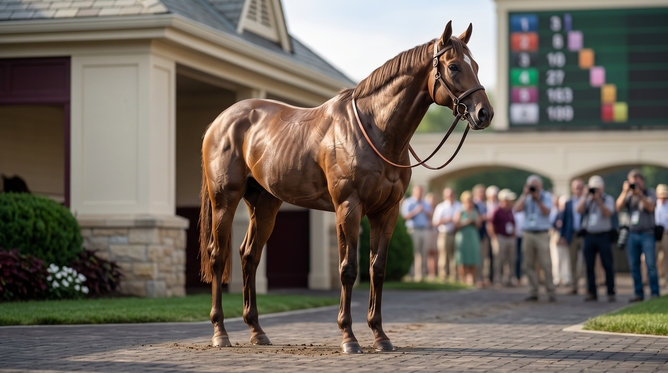
The 2026 Travers is not a one-horse showcase. NYRA’s official Travers guide says the field is headlined by Golden Tempo, the Kentucky Derby and Belmont Stakes winner; Napoleon Solo, the Preakness winner; Renegade, the Jim Dandy winner and Derby runner-up; plus rising 3-year-olds such as Leading Change, Baby Vino, and Sea Strike. That type of field gives bettors several believable stories, which is exactly what creates odds volatility.
Golden Tempo is the obvious public anchor. NYRA’s Travers preview lists him in post 9 with Jose Ortiz aboard and a 5-2 morning line, noting that Ortiz has ridden him in every start of his 6-4-0-2 record. Renegade drew post 5 with Tyler Gaffalione and a 3-1 morning line, entering off his Grade 2 Jim Dandy win on August 1 at Saratoga. Those two horses will likely shape the first layer of the market, but the race becomes more interesting because the public may not agree on how much the Jim Dandy should count against Golden Tempo’s classic wins.
That disagreement is where timing matters. Bettors who believe Golden Tempo’s class edge is being underpriced may want to act before casual Travers money arrives. Bettors who think post 9, a training-only path to the race, and a deep field create vulnerability may want to wait and see whether the favorite gets hammered too low. A strong opinion is useful, but Travers week rewards the bettor who knows whether that opinion is likely to improve or worsen at the final price.
How Golden Tempo’s Public Profile Could Distort The Board
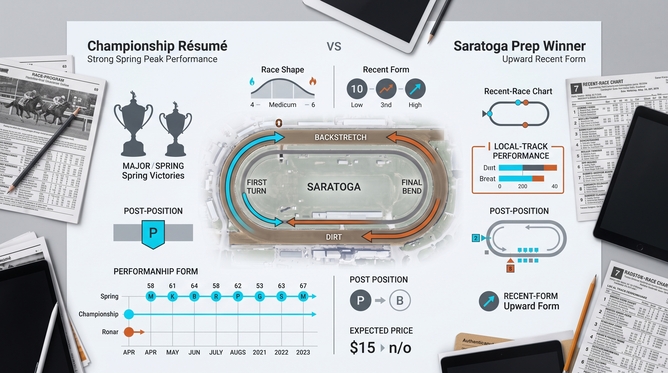
Golden Tempo’s 2026 season gives the public an easy story to buy. A Kentucky Derby and Belmont winner entering the Travers at Saratoga does not need much explanation. He is already the horse casual bettors can identify, and that can make him shorter than his true value if the crowd treats his spring résumé as enough by itself.
NYRA reported on August 15 that Golden Tempo worked four furlongs in 47.46 seconds over Saratoga’s fast main track with Jose Ortiz aboard as he prepared for the Travers. A week later, NYRA said he was set for the Grade 1 DraftKings Travers following another Saturday breeze. Those works support the idea that he is training forward, but they do not remove the betting question created by skipping the Jim Dandy.
A horse can be the most accomplished runner in the field and still be a bad bet at the wrong number. Golden Tempo’s appeal will likely grow as Travers Day coverage increases. If his odds drift up from the morning line because bettors prefer the Jim Dandy winner or a fresher price horse, he becomes more attractive. If he drops sharply because the public wants the classic winner, the better value may move elsewhere.
The same issue affects exotic tickets. Singling Golden Tempo in a Pick 4 or Pick 5 may feel safe because his class is obvious. But if most of the public does the same, the payoff structure becomes fragile. The sharp question is not whether Golden Tempo can win. He clearly can. The sharper question is whether the market will pay enough for the risk he still carries.
Why Renegade’s Jim Dandy Form Is Hard To Price
Renegade brings the local prep angle. He won the Grade 2 Jim Dandy presented by Mohegan Sun on August 1 at Saratoga, defeating Commandment and Silent Tactic by a half-length, according to NYRA’s Travers preview. That makes him the horse with the strongest recent Saratoga route evidence, and it gives bettors a clean local form line to compare against Golden Tempo’s classic résumé.
The danger is that Jim Dandy form can be overused. A prep win at Saratoga matters, but it does not automatically translate to the Travers at 1 1/4 miles. Bettors need to ask whether Renegade won because he is peaking, because the race shape suited him, or because the field he beat was less demanding than the Travers lineup.
That is where late odds timing can create value. If Renegade becomes the “wiseguy” alternative to Golden Tempo, his price may shrink below fair value. If bettors treat him as only a prep winner and overlook his Derby runner-up form, he may remain playable. His post 5 draw and Gaffalione assignment give him a tactical foundation, but the price must decide the bet.
A strong Travers handicap should compare Golden Tempo and Renegade by expected race shape, not just by headline wins. Golden Tempo owns the bigger résumé. Renegade owns the local prep. The market may swing between those two facts all week.
How Baby Vino Adds A Haskell-To-Travers Angle
Baby Vino gives the Travers another betting layer. The Times Union reported that he drew post 8 in the 10-horse Travers field with Paco Lopez aboard, and that trainer Lindsay Schultz is seeking a rare Haskell-Travers double after Baby Vino’s Monmouth Park success. That makes him more than a fringe longshot; he is a horse with a recent Grade 1-style summer storyline and a trainer stepping into one of the biggest moments of her career.
The public may struggle to price that kind of horse. Some bettors will see the Haskell connection and upgrade him quickly. Others may dismiss him because Golden Tempo, Renegade, and the classic winners dominate the narrative. Both reactions can go too far.
Baby Vino’s draw matters because post 8 puts him near Golden Tempo in post 9, which could affect early positioning. If he has enough tactical speed to avoid being carried wide, he may be more dangerous than the public expects. If he has to work too hard to secure a position, his recent form may not be enough.
Travers week betting is often about these second-tier price decisions. The favorite may be obvious. The winning ticket may depend on whether a horse like Baby Vino is a real win threat, a useful underneath play, or a horse likely to be overbet because of one recent headline.
Why Travers Day Is Bigger Than One Race
The Travers is the centerpiece, but Travers Day is a full-card betting event. NYRA’s stakes schedule lists several major races on August 29, including the Personal Ensign, Forego, H. Allen Jerkens Memorial, Lake Placid, Resorts World Casino Ballerina, Jerkens Memorial, and the Travers itself. That kind of card creates bigger pools, stronger multi-race sequences, and more casual money than a typical Saratoga afternoon.
That affects how horseplayers should manage bankroll. A bettor does not need to make the Travers the biggest bet of the day simply because it is the most famous race. Sometimes the strongest value is in an undercard Grade 1 where the public is less emotionally attached. Sometimes the Travers is best used as a leverage leg in a multi-race sequence rather than as a standalone win bet.
The key is to avoid being pulled into every major race at full strength. Travers Day will offer more betting options than most players can attack well. The correct plan is to identify the races where the market is most likely to be wrong, then reserve enough bankroll to act when the odds confirm the opinion.
That is also where platform timing becomes practical. Bettors who use multiple legal or offshore betting accounts often compare wagering access, app speed, and market options before major race days. Players researching account options may look at broader sportsbook comparison resources such as most-recommended offshore sportsbooks before deciding how they want to manage their betting setup. The tool does not replace handicapping, but access and timing can matter when Travers Day pools are moving quickly.
How Post Time And Late Information Shape Value
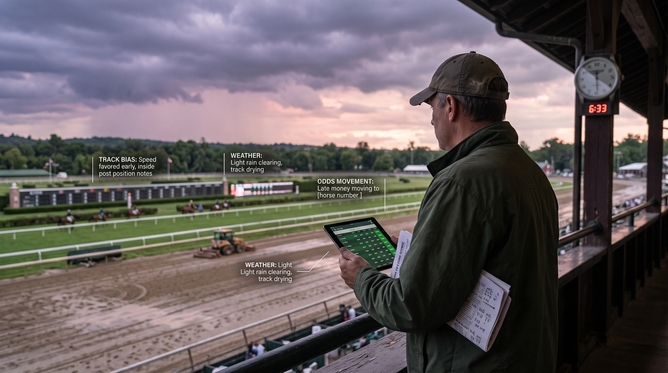
NYRA’s live racing page lists the Travers as Race 13 on Saturday, August 29, with a scheduled 6:35 p.m. post time and standard wagering options including exacta, trifecta, superfecta, and doubles around the race. That late placement gives bettors all afternoon to watch how the track is playing before the Travers. It also gives the public all afternoon to push familiar names down in price.
This is why betting too early can be risky. A horse that looks like value in the morning may become an underlay by post time. A horse that looks too short early may drift if the crowd piles into another storyline. Track bias, weather, and rider performance earlier in the card can also change how bettors read the race.
For example, if speed is holding all afternoon, tactical horses may become more attractive. If closers are consistently making ground, Golden Tempo’s running style could gain more public support. If inside posts are struggling, the post position may become a bigger topic near the post time. The best bettors update their view as the card develops.
Late information does not mean last-second panic. It means structured patience. Build the handicap early. Decide fair odds before the card starts. Then compare the final board to that number. Travers Week rewards the bettor who has a price, not just a pick.
Why Jockey Assignments Could Move More Money Than Usual
The 2026 Saratoga meet has already made jockey news part of the betting story. Irad Ortiz Jr.’s foot injury changed late-meet rider assignments, while Jose Ortiz entered Travers week as a central figure because of his connection to Golden Tempo and his position near the top of the Saratoga standings. NYRA’s Golden Tempo preview notes that Jose Ortiz is seeking his first Travers victory aboard a horse he has ridden in every start.
That matters because jockey narratives can influence casual money. A high-profile rider chasing a first Travers win on a classic winner is a story bettors can understand quickly. That does not make the horse more likely to win than the odds imply. It does make the public more comfortable taking a short position.
Other riders can create value in the opposite direction. Tyler Gaffalione on Renegade, Paco Lopez on Baby Vino, and other confirmed assignments may attract specific regional or style-based support. Bettors should evaluate whether each rider fits the horse’s likely trip rather than relying on reputation alone.
A good Saratoga rider can save ground, avoid premature moves, and manage pressure. But rider quality is already priced into many mounts. The edge comes from spotting the horse-rider combination the market has mispriced.
How To Build A Travers Week Betting Plan
A disciplined Travers week plan should start with a fair-odds line. That line does not need to be perfect, but it forces the bettor to separate opinion from price. Golden Tempo may be a fair bet at one number and a clear pass at another. Renegade may be playable only if the Jim Dandy hype does not crush his odds. Baby Vino may be useful underneath even if he is not a win bet.
The second step is sequence planning. Travers Day multi-race wagers can be attractive, but they require decisions about where to take stands. If Golden Tempo is a single, the ticket must find value elsewhere. If he is opposed, the ticket needs enough coverage to make the stance worth the risk. If the race looks too balanced, the better play may be to use the Travers defensively and attack another leg.
The third step is late confirmation. Check scratches, track condition, tote movement, and how similar races played earlier in the day. A Travers opinion made on Tuesday should still be tested on Saturday.
The last step is emotional control. Travers week creates famous horses, large crowds, national attention, and heavy discussion. Those things can make a bettor feel late or left out. The market does not reward urgency by itself. It rewards the right price at the right time.
Why The Best Travers Bet May Arrive Late
The 2026 Travers field is strong enough to shape the 3-year-old division, but its betting value may not be clear until much closer to post time. Golden Tempo brings classic wins and public appeal. Renegade brings Saratoga prep strength. Napoleon Solo brings Preakness credibility. Baby Vino brings the Haskell angle. Several others bring the kind of upside that can make a 10-horse Travers more complex than the top two names suggest.
That is why late odds timing could become Saratoga’s sharpest betting edge. The race will not be decided by the morning line. It will be decided by how bettors interpret the final field, the track, the tote, and the difference between reputation and probability.
The best horseplayer may not be the first one with an opinion. It may be the one who waits long enough to know whether that opinion is worth buying.