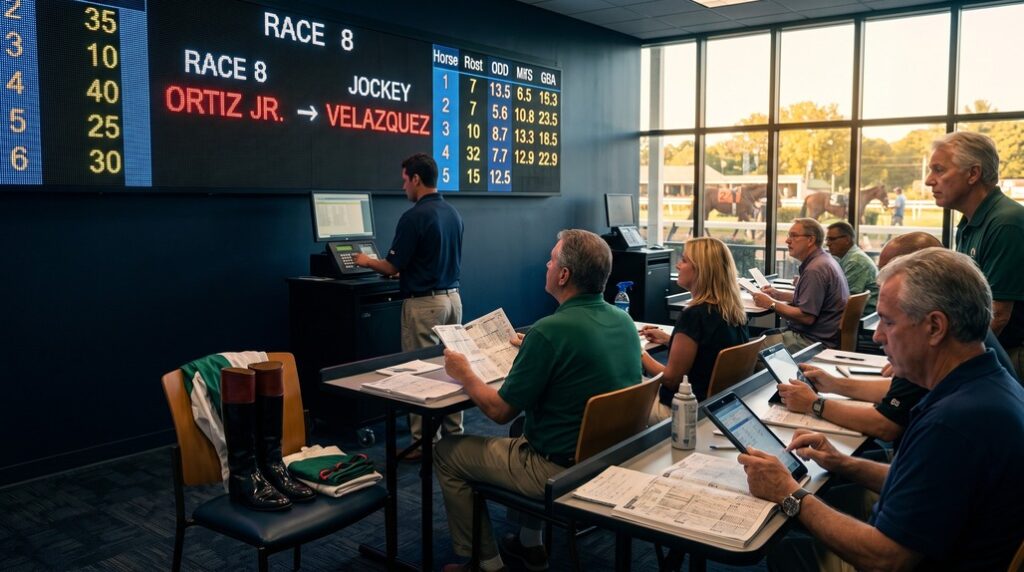
Magic Chuck never reached the afternoon program at Saratoga Race Course, yet his fatal training injury has already become part of the 2026 meet’s larger betting story. The unraced 2-year-old colt, owned by former Major League Baseball All-Star Jayson Werth through Icon Racing and trained by Whit Beckman, was euthanized after suffering a left scapula fracture during a breeze on Saratoga’s Oklahoma training track. The Times Union reported that rider Marc Griffith pulled up the colt during the workout, and the New York State Gaming Commission’s Equine Death and Breakdown database listed the injury as occurring during training.
For bettors, the point is not to turn one horse’s death into a simplistic handicapping angle. It is to recognize that training-track safety, injury reporting, surface consistency, workout patterns, and public trust now sit closer to the wagering product than many horseplayers once assumed. Racebook Review readers who followed the recent Stephen Foster Stakes betting picture know that elite race analysis often starts before the entries are drawn. In Saratoga’s case, the questions now start before race day, on the Oklahoma side, where young horses, major barns, and high-value prospects prepare away from the main betting stage.
Why Magic Chuck’s Injury Reaches Beyond One Stable
Magic Chuck’s profile gave the incident more attention than a routine database entry. Werth, who played 15 seasons in MLB and won the 2008 World Series with the Philadelphia Phillies, has become an active racing owner. The Times Union reported that he named Magic Chuck after former Phillies manager Charlie Manuel, a detail Werth discussed on his “Werth Talking About” podcast. That personal backstory makes the death more visible, but the broader issue is the setting and timing.
Saratoga’s 2026 summer meet began July 3 and is scheduled for 46 days, the longest summer meet in the track’s history. Magic Chuck’s death was reported as the second racing- or training-related equine fatality at Saratoga since that summer meet began. Earlier, an unnamed 2-year-old trained by Todd Pletcher collapsed and died on July 4 while galloping on the main track, according to the Gaming Commission database cited by the Times Union.
That timeline matters for horseplayers. Saratoga is a meet where public money often reacts strongly to trainer reputation, sharp workouts, debut buzz, juvenile pedigrees, and barn momentum. A fatal injury during a training session does not tell bettors which horse to back or fade. It does remind them that morning activity is part of the risk environment. Workouts are not neutral data points. They are the visible edge of training-load decisions, surface conditions, horse development, and veterinary oversight.
The Oklahoma track has long been central to Saratoga’s training ecosystem. Horses based there can look excellent in the morning and still face very different stress when they move into race conditions. When multiple fatalities occur around training, bettors should be careful about reading breezes as pure positive signals. A fast work may show ability. It may also invite questions about how aggressively a young horse is being prepared and whether that horse has enough foundation for the next target.
What The Oklahoma Track Pattern Means For Public Confidence
Magic Chuck was not the first 2026 Oklahoma training-track fatality cited in the recent reporting. The Times Union listed No Doubt About It, a 3-year-old gelding trained by Wesley Ward; Shiny New Object, trained by Chad Brown; and an unnamed 2-year-old colt trained by Melanie Giddings among horses euthanized after training-related injuries on the Oklahoma track since it opened for the year in April. The same report said five horses had been euthanized from training-related injuries on the Oklahoma track since April.
Those names matter because they involve different barns, ages, and circumstances. A bettor should not reduce the pattern to one trainer, one ownership group, or one isolated mishap. The more useful question is whether the track, training volume, horse population, weather, maintenance cycle, and schedule pressure are creating conditions that deserve closer scrutiny.
Public confidence in racing is fragile when fatality counts rise at a marquee venue. The Times Union reported that Saratoga had 10 euthanizations during the 2025 summer season, up from two in 2024. That kind of year-to-year difference can influence how racing fans, casual bettors, regulators, and horsemen talk about Saratoga’s 2026 meet.
For wagering markets, confidence works in two directions. Strong public confidence can support handle, larger pools, and stronger event-day betting. Safety concerns can make some bettors more cautious, especially around juvenile races, short-priced debut runners, and barns with horses returning quickly from demanding works. That does not mean horseplayers should speculate about injuries or assume unseen problems. It means safety context can affect race selection, bankroll size, and how much trust to place in morning signals.
Why Training Data Can Be Misread By Bettors
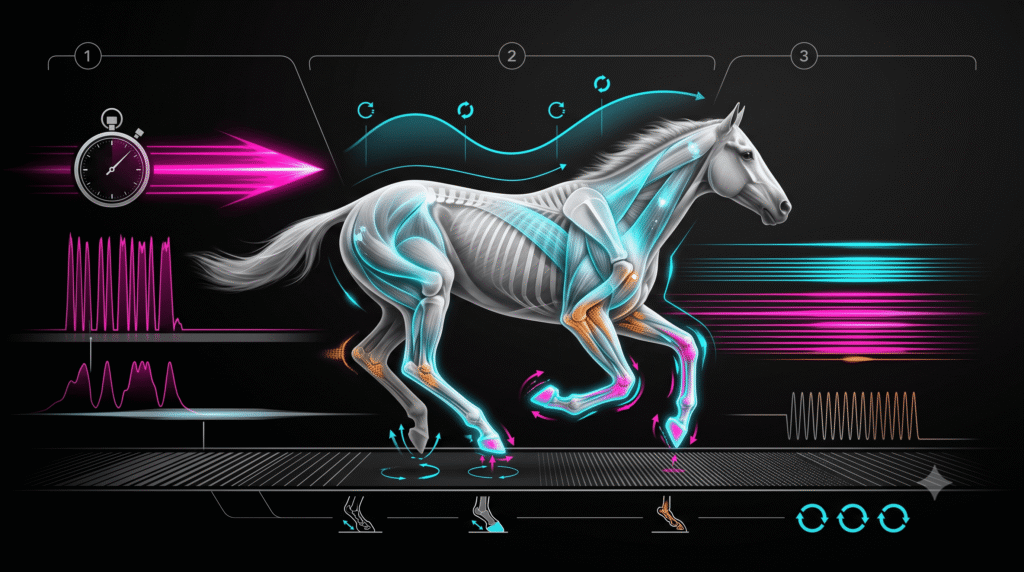
Workouts are among the most tempting Saratoga signals. A sharp half-mile breeze from a 2-year-old at Oklahoma can move a horse up on the public’s list, especially when attached to a major owner or high-profile barn. That is exactly where bettors need discipline. A workout tells part of the story: timing, surface, rider, company, spacing, and visual impression all matter. It does not prove a horse is healthy, mentally ready, or suited to the race-day setup.
The 2026 Magic Chuck incident brings that limitation into focus. The colt was unraced, which means there was no public race record to help bettors judge how he handled pressure, traffic, paddock behavior, or late-race fatigue. Young horses often attract speculative money at Saratoga. They can be talented and vulnerable at the same time.
Recent research on Thoroughbred musculoskeletal injury risk reinforces the point that training load and rest patterns matter. A 2026 modeling study on Thoroughbred training programs found that lower-volume programs including high-speed training could support bone adaptation with less damage accumulation, while more frequent or longer rest periods reduced accumulated bone damage. That study was not about Saratoga, but it supports a broader principle bettors can use carefully: training history should be read as conditioning evidence, not as a simple speed advertisement.
The bettor-facing takeaway is practical. Do not upgrade a young horse solely for a fast work. Look at the spacing of works, whether the horse has had steady progression, whether the trainer’s debut pattern supports the placement, and whether the race itself demands more than the morning drill showed. In Saratoga juvenile races, that can be the difference between taking an overbet 8-5 shot and waiting for a more reliable race.
How Safety Oversight Shapes The Betting Product
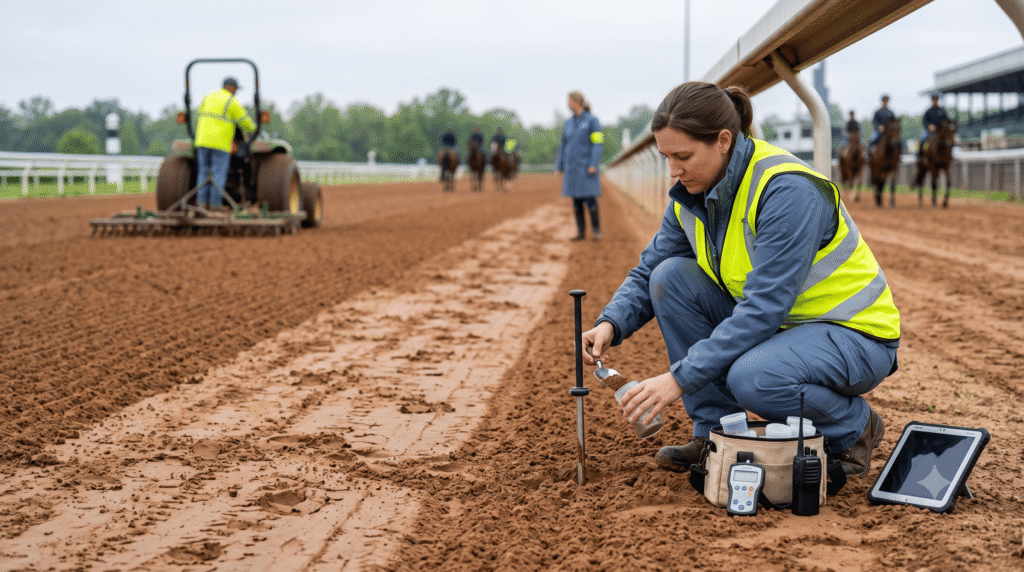
Racing safety has become more formalized in the HISA era. The Horseracing Integrity and Safety Authority’s racetrack safety program covers areas such as surface maintenance, veterinary oversight, injury reporting, jockey safety, horseshoes, and crop rules, according to AP reporting on HISA’s national safety work. HISA reported a 2023 rate of 1.23 racing-related equine fatalities per 1,000 starts at tracks under its jurisdiction, a figure AP described in the context of the authority’s post-2022 safety program.
Those national figures do not erase local concerns. Saratoga is judged differently because it is Saratoga: a high-profile summer stage, a major betting meet, a magnet for elite juveniles, and a place where national racing debates become concentrated. When the Oklahoma track enters safety conversations, the issue is no longer hidden behind the main track’s race-day condition label.
For bettors, oversight matters when it becomes visible through scratches, surface changes, workout restrictions, veterinary-list updates, race-distance decisions, or official explanations after incidents. A good horseplayer does not need to act like a regulator. The betting task is to monitor whether the racing environment is stable enough for strong opinions.
That is why official and high-authority reporting should carry more weight than paddock rumors. The New York State Gaming Commission and NYRA are the entities bettors should watch for incident records, safety updates, and race-day decisions. Track chatter may move quickly, but wagers should be based on confirmed changes, not social-media guessing.
What Saratoga Bettors Should Adjust After The Injury

Magic Chuck’s death should not cause horseplayers to abandon Saratoga. It should sharpen the way they separate race types. A Grade 1 turf stakes with established older horses carries a different risk profile than a juvenile maiden race full of unraced or lightly raced runners. A high-profile barn’s first-time starter may be talented, but the public often prices that talent aggressively before the horse has shown it in race conditions.
Bettors should also be more careful with horses whose form depends heavily on Oklahoma works. If the horse has no race foundation, limited published works, a sudden sharp drill, or a short price built around barn reputation, the margin for error is thinner. In that kind of race, passing can be a stronger play than forcing an opinion.
The incident also argues for closer attention to late scratches and veterinary activity. Saratoga’s pools are large enough that bettors can wait for better information without losing every price. Early wagering can still make sense in some situations, but safety-sensitive cards reward patience. A horse who looks like value at 6-1 in the morning may become a poor wager if scratches remove pace or if the race shape changes after vet decisions.
The same applies to multi-race tickets. A Pick 5 or Pick 6 sequence with multiple 2-year-old races can be more fragile than it looks. If one leg depends on a hyped debut runner, and another depends on a short field after scratches, the ticket may be taking more safety and information risk than the payout justifies.
Why The 2026 Saratoga Meet Is Under A Brighter Light
Saratoga’s expanded 2026 calendar already made the meet a stress test. NYRA announced a 46-day summer meet from July 3 through Labor Day, September 7, in a season shaped by Belmont Park’s reconstruction and New York racing’s temporary calendar adjustments. The longer meet creates more races, more training activity, and more opportunities for weather, surface management, and horse population depth to become betting factors.
That larger workload does not prove causation in any fatality. It does make the context harder to ignore. When a meet expands, horseplayers should watch whether field quality, turf usage, juvenile placement, and workout volume remain consistent across the full season. A longer Saratoga meet may produce more betting opportunities, but it may also produce more uneven races.
The Oklahoma track safety question lands inside that wider debate. A training injury on a quiet morning can influence the public perception of the entire meet. It can also make horsemen more cautious, lead regulators or track officials to review procedures, and cause bettors to reassess how much trust they place in certain workout patterns.
In 2026, Saratoga bettors need a notebook that goes beyond winners and losers. Track surface notes, weather, training incidents, juvenile race outcomes, and scratch patterns should all be recorded. The edge may come less from predicting the next safety headline and more from understanding how the market reacts after one.
What Bettors Should Watch Next At Saratoga
The next stage is evidence. Horseplayers should watch whether the Oklahoma track receives public inspection updates, whether morning training schedules change, whether the Gaming Commission database shows more incidents, and whether NYRA or HISA addresses surface or training protocols. Bettors should also watch how juvenile races are entered after high-profile training injuries. If barns become more conservative, field depth and race shape may change.
The most responsible betting lens is cautious, not speculative. Magic Chuck’s death is a welfare tragedy first. It also highlights how much of the betting product depends on trust in the unseen parts of racing: morning training, veterinary judgment, surface maintenance, injury reporting, and the willingness of officials to act before patterns worsen.
Saratoga remains one of America’s most important betting meets. That status is exactly why the Oklahoma track now deserves closer attention from horseplayers. The smart bettor will not chase rumors or turn one fatal injury into a blanket assumption. The smart bettor will demand confirmed information, price uncertainty correctly, and treat safety context as part of the handicap rather than a separate conversation.