The devastating early morning blaze at the Saratoga Casino Hotel harness track is a stark reminder of the fragile line between routine and ruin. As the industry mourns the loss of 17 horses, the tragic June 2026 barn fire forces a critical reevaluation of backstretch infrastructure and the modern standards of equine safety protocols.
🚨 The 2:30 A.M. Nightmare on Nelson Avenue
At approximately 2:30 a.m. ET on Tuesday, June 16, 2026, the unimaginable occurred on the backstretch of the Saratoga Casino Hotel.
Flames engulfed a barn located at 25 Nelson Avenue, situated directly between the Standardbred harness oval and the historic Thoroughbred venue across the street.
Despite the rapid and aggressive response from the Saratoga Springs Fire Department, the structural realities of the building made a swift knockdown impossible.
Crews were forced into an immediate defensive posture, prioritizing containment to protect adjacent barns from the spreading inferno.
Of the 18 horses housed in the targeted barn, 17 perished. A single horse managed to escape the flames with minor injuries.
The catastrophic loss was concentrated entirely on two trainers. Robyn Mangiardi lost 11 horses, while Timothy Benson lost six, representing an absolute devastation of their respective racing stables.
This event is not merely an isolated tragedy; it dominates the latest horse racing news as a systemic wake-up call for track infrastructure management.
🔥 The Anatomy of Track Containment
When a fire breaks out in an equine facility, the timeline between ignition and total structural involvement is measured in minutes, not hours.
Barns are inherently designed for massive airflow, which provides crucial respiratory health for the horses but acts as an aggressive accelerant during a fire.
First responders and track security, aided by nearby New York Racing Association (NYRA) personnel, successfully executed an emergency evacuation of the surrounding structures.
John Matarazzo, director of racing operations at Saratoga Casino Hotel, publicly credited these swift, coordinated actions for preventing the blaze from leaping to neighboring stables and averting an even larger loss of life.
However, the rapid destruction of the primary barn highlights the severe vulnerability of traditional backstretch construction.
- Combustible Environments: The constant presence of dry hay, wood shavings, and extensive timber framing creates an environment with an extreme, ever-present fuel load.
- Draft and Ventilation: High ceilings and open corridors, designed to dissipate brutal summer heat, channel oxygen directly into the flames the moment a fire sparks.
When combustion occurs in these traditional wooden structures, containment to a single building is often the only viable option.
📊 The Statistics of the Tragedy
Understanding the true scope of the Saratoga Harness fire requires a clear, unfiltered look at the confirmed data from that Tuesday morning.
| Incident Metric | Confirmed Details |
| Location | Saratoga Casino Hotel (Harness Track), 25 Nelson Ave |
| Time of Alert | 2:30 a.m. ET, Tuesday, June 16, 2026 |
| Equine Fatalities | 17 confirmed dead, 1 survivor |
| Trainers Impacted | Robyn Mangiardi (11 horses), Timothy Benson (6 horses) |
| Human Casualties | Zero injuries reported |
🕒 The Crucial Role of the Night Watchman
Historically, the racing industry has relied heavily on human vigilance to prevent backstretch disasters.
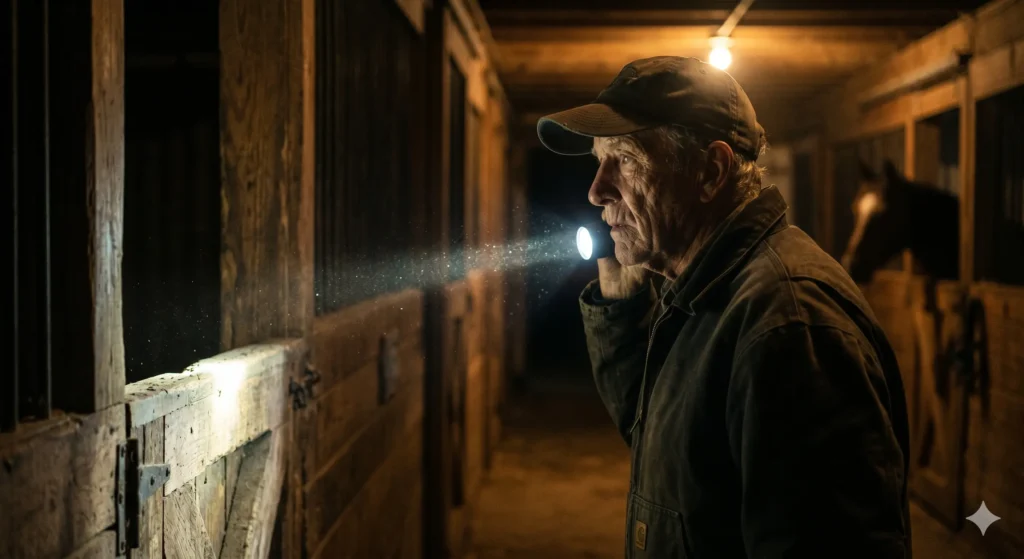
The night watchman is a time-honored tradition at tracks across the country—a solitary figure tasked with walking the quiet shedrows while the rest of the world sleeps.
They listen for signs of colic, watch for cast horses, and serve as the primary early-warning system for smoke, frayed wires, or unauthorized personnel.
However, relying solely on human patrols in sprawling, multi-acre complexes leaves unavoidable and dangerous blind spots.
A fire in a combustible equine environment can flash from a smoldering spark to a raging inferno in the five minutes it takes a watchman to complete a circuit of an adjacent building.
In the case of the Saratoga tragedy, the alarm was raised swiftly, yet it was still not fast enough to outpace the aggressive nature of the blaze.
A human patrol is essential for animal husbandry, but it is an inadequate substitute for automated thermal detection.
🏗️ The Infrastructure Problem: Sprinklers and Seasons
The immediate question following any track fire is the status of automated fire suppression systems. Why do catastrophic barn fires continue to happen in the modern era?
The answer is heavily tied to geography, track economics, and the physical demands of equine care.
In regions like upstate New York, installing traditional wet-pipe sprinkler systems in unheated barns presents a massive logistical hurdle.
During the harsh winters, standing water in these pipes will freeze, burst, and render the entire system inoperable—or flood the stalls, creating dangerous icy conditions for the animals.
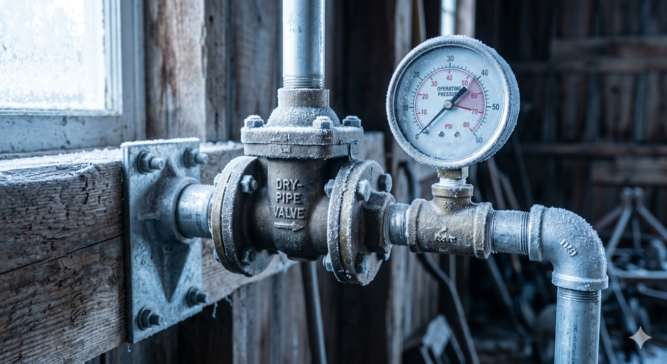
Dry-pipe systems, which hold pressurized air until a fire triggers the release of water, are the standard, modern alternative.
However, retrofitting older, historic barns with these complex, heavily insulated systems is an astronomically expensive proposition for track operators.
The harness racing business often operates on tighter margins than its Thoroughbred counterparts, making capital expenditures on massive infrastructure projects difficult.
But the cost of inaction is now demonstrably higher than the cost of modernization. What happens when insurers begin viewing unsprinklered wooden barns as uninsurable liabilities?
The modern horse demands modern protection, and financial pressures may soon force the industry to abandon traditional architecture regardless of the upfront costs.
💰 The Human and Economic Devastation
The loss of 17 horses is a profound emotional blow to the caretakers, grooms, and owners who dedicate their lives to these animals.
But for trainers like Mangiardi and Benson, the fire also represents an immediate and total economic collapse.
These horses are not just athletes; they represent the daily livelihood and operational capital of small-to-mid-sized racing stables.
When a barn burns to the ground, it takes with it the tack, the custom equipment, the feed stock, and the generational knowledge built into the daily routine.
Fortunately, the harness racing community is notoriously close-knit. Within hours, GoFundMe campaigns were established, and NYRA officially offered comprehensive support to their Standardbred neighbors.
Saratoga Hospital was also quickly mobilized to provide grief counseling to the backstretch workers who witnessed the nightmare firsthand.
This immediate communal support is the backbone of the sport, stepping in to carry the weight where infrastructure has failed.
🕊️ A Mandate for the Future
The June 2026 Saratoga fire will inevitably prompt deep, long-term investigations by the Saratoga Springs Fire Department and the New York State Office of Fire Prevention and Control.
But the industry cannot afford to wait for a bureaucratic report to begin implementing sweeping changes.
Track operators nationwide must look toward early-warning thermal detection systems, which monitor heat spikes before visible smoke is even present in the rafters.
Advancements in fire-retardant paints, compartmentalized firewall designs, and modernized night-watch protocols must move from luxury options to baseline operational requirements.
Prominent publications like BloodHorse have consistently tracked the evolution of industry safety standards, but tragedies like this prove that progress is still dangerously lagging behind the threat.
As the ashes are cleared from Nelson Avenue, the sport faces a harsh reality regarding the environments it creates for its equine athletes.
If the racing industry wishes to thrive in an era of heightened welfare awareness, securing the backstretch must become its most urgent, uncompromising priority.