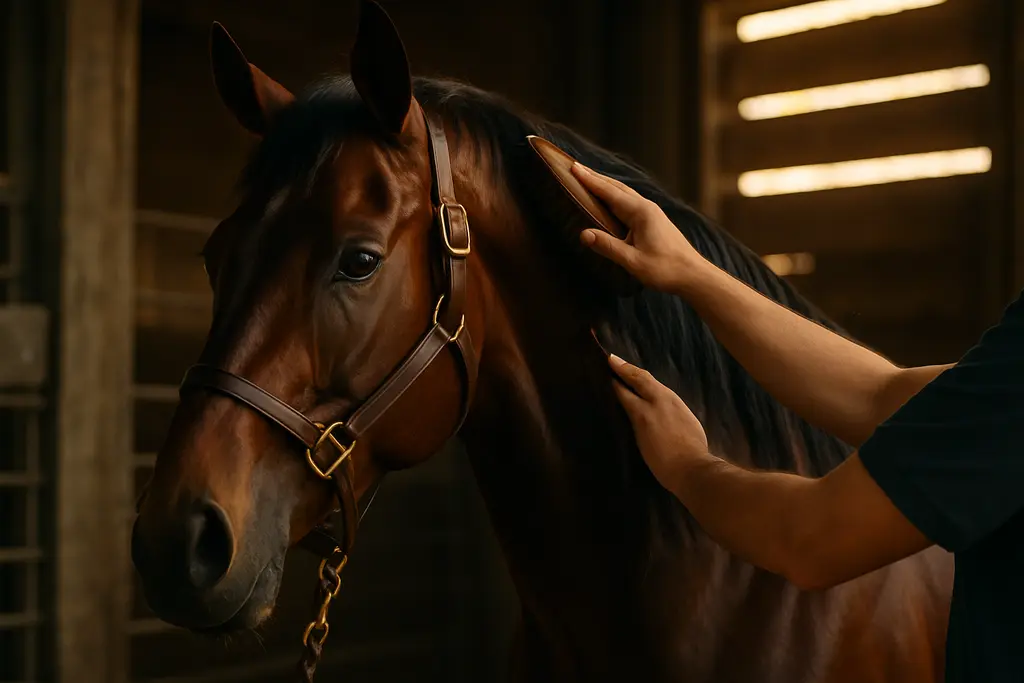
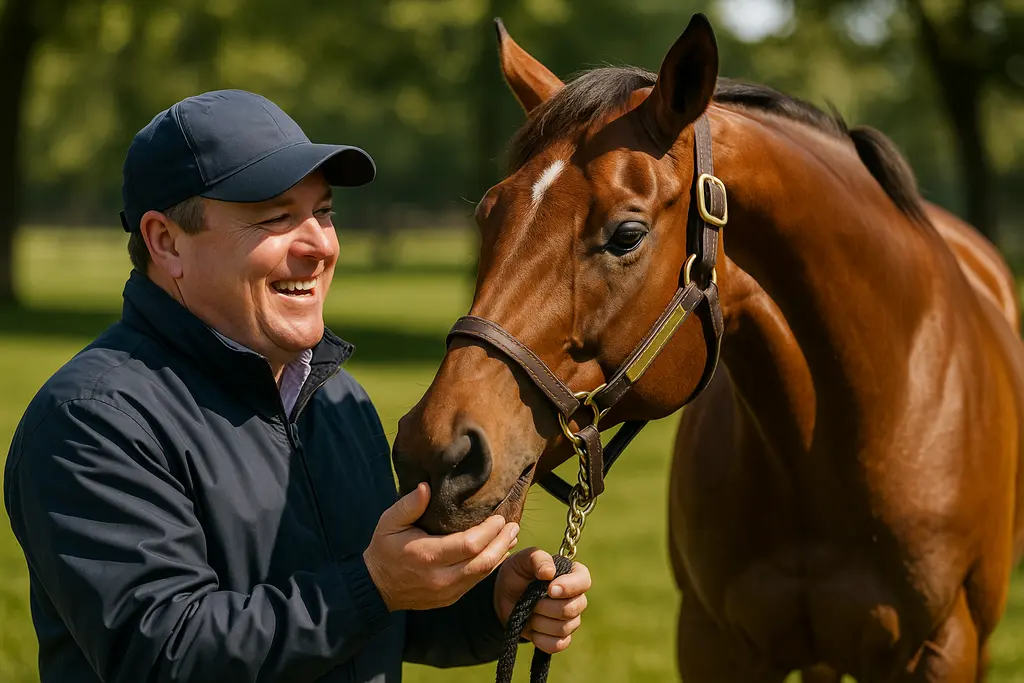
The Triple Crown has always been horse racing’s ultimate test.
Three races. Five weeks. No margin for error.
But in 2026, a growing question is becoming harder to ignore:
is the format still aligned with the modern Thoroughbred?
🏇 The Five-Week Challenge
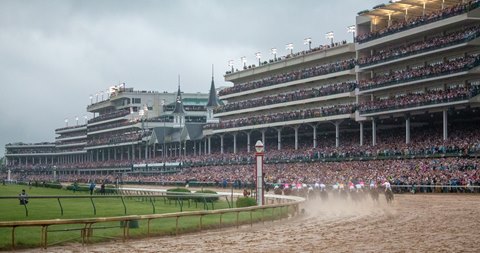
The structure hasn’t changed:
- Kentucky Derby → Preakness Stakes → Belmont Stakes
- All within just five weeks
It’s a schedule designed for durability, not just speed.
Decades ago, this made sense. Horses raced more frequently, built deeper conditioning, and were expected to recover quickly. Today, that expectation feels increasingly out of sync with how top horses are trained.
📉 Fewer Races, Higher Stakes
Modern racehorses are handled very differently.
Instead of running often, they are:
- Carefully managed with fewer starts
- Trained with long recovery cycles
- Protected to extend careers and reduce injury risk
That creates a disconnect.
A horse can arrive at the Kentucky Derby in peak condition — but asking for two more elite performances in rapid succession is a completely different challenge.
⚡ The Belmont Stakes Problem
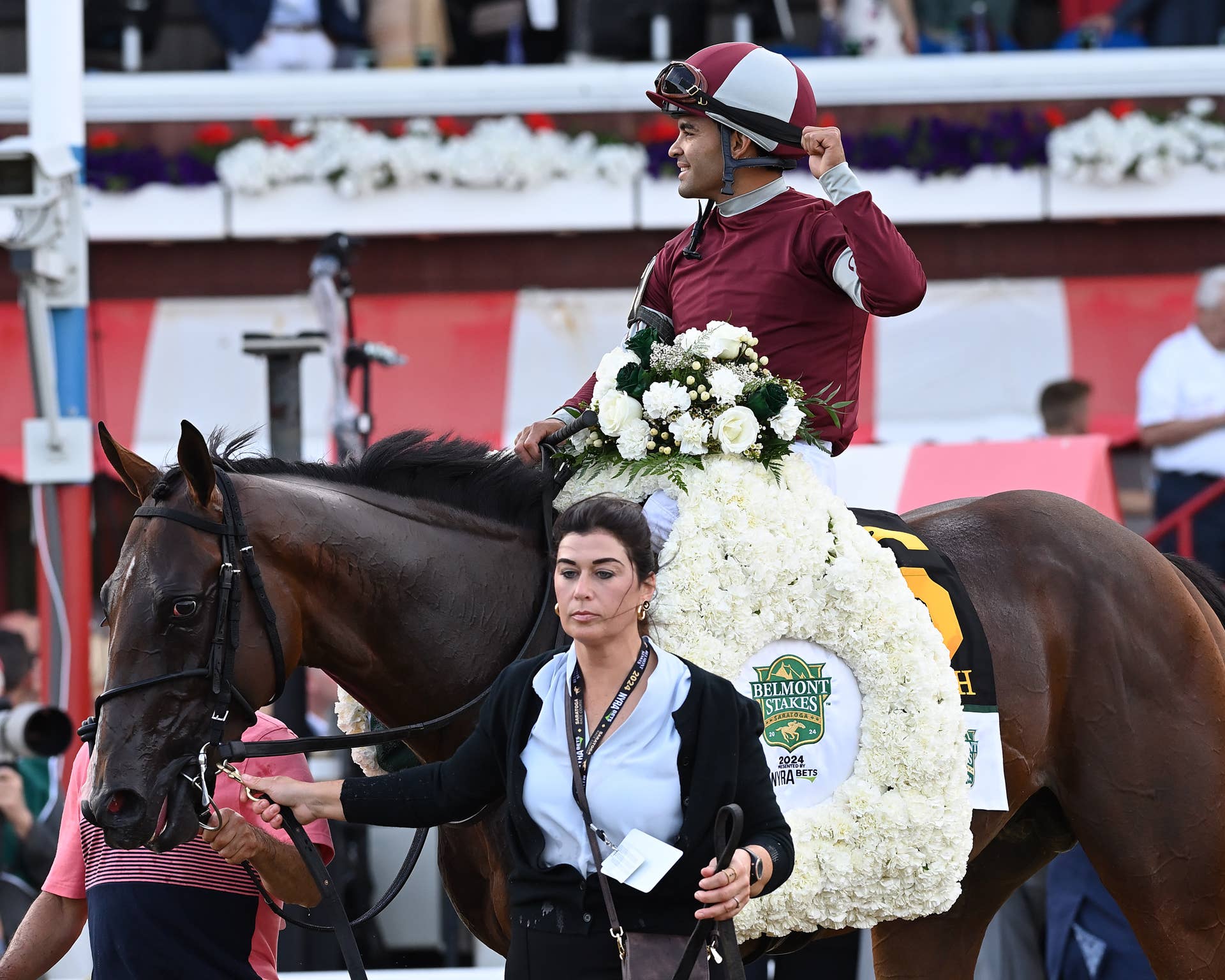
If there’s one race that exposes this shift, it’s the Belmont Stakes.
At 1.5 miles, it demands stamina that modern breeding doesn’t always prioritize. Many horses today are bred for speed, not endurance — and it shows.
By the time horses reach the Belmont:
- Fatigue becomes a major factor
- Race shape becomes unpredictable
- Performance gaps widen dramatically
This isn’t necessarily a flaw — but it highlights how much the sport has evolved around the unchanged structure.
🧬 Breeding Has Changed the Game
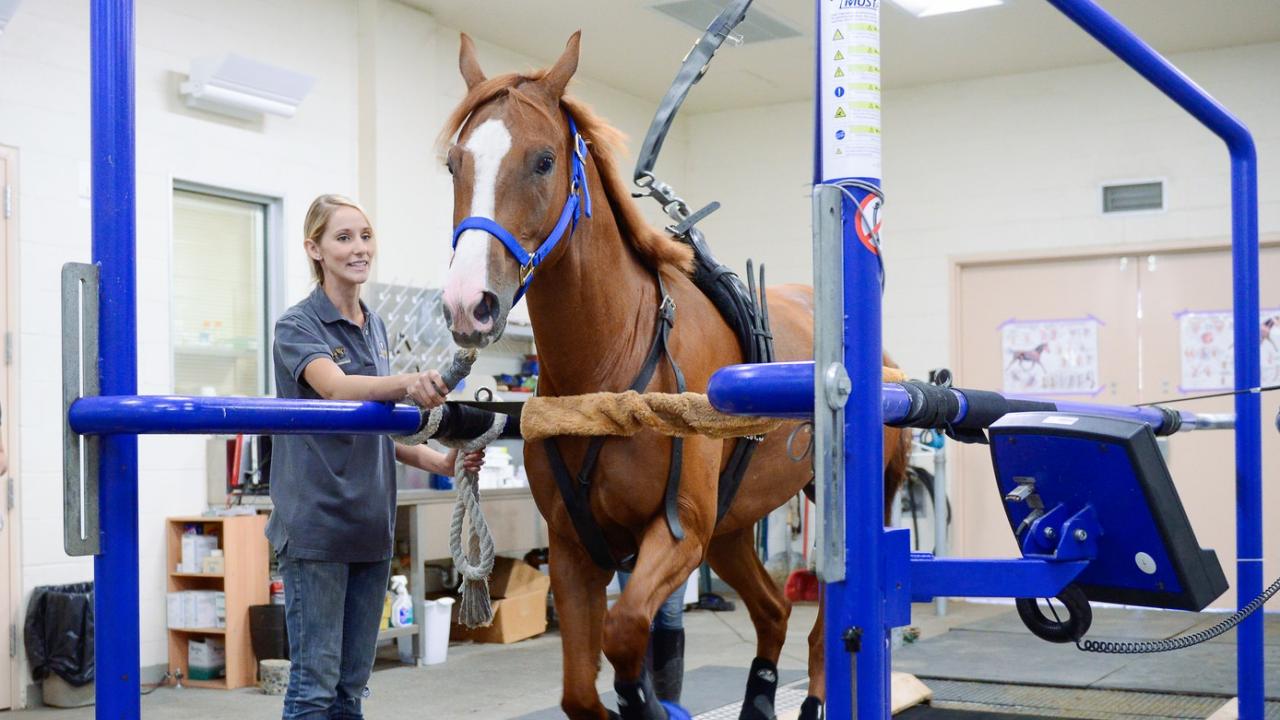
Modern Thoroughbreds are built differently.
Breeding trends have leaned toward:
- Explosive speed
- Early development
- Shorter-distance performance
That produces incredible athletes — but not always horses designed for repeated high-intensity races over extended distances in a short timeframe.
The result is subtle but important:
the Triple Crown is testing something the modern horse isn’t always optimized for.
🧠 Why the Format Still Matters
Despite all of this, the Triple Crown remains unchanged — and for good reason.
Its difficulty is the point.
Winning all three races still represents:
- Versatility
- Endurance
- Mental toughness
- Elite recovery ability
Changing the format might produce more winners — but it would also dilute what makes the achievement special.
⚖️ Tradition vs Evolution
This is where the real debate sits.
Some argue:
- The schedule should be extended
- The spacing between races should increase
- The format should adapt to modern training realities
Others believe:
- The challenge defines the legacy
- Only rare horses should be able to win it
- Difficulty is what gives the Triple Crown meaning
So far, tradition is winning.
🏁 Final Thoughts
The 2026 Triple Crown conversation isn’t about whether the format is broken.
It’s about whether the sport has outgrown it.
Modern horses are faster, more carefully managed, and bred for different strengths. Yet the Triple Crown continues to demand something old-school: resilience under pressure, repeated excellence, and the ability to endure.
And maybe that’s exactly why it still matters.
Because in a sport that keeps evolving, the Triple Crown remains one of the few challenges that hasn’t changed —
and still hasn’t been conquered easily.