The American thoroughbred racing industry finds itself engaged in an intense internal debate this summer. High-profile figures are diagnosing the sport’s greatest vulnerabilities, proposing solutions that reveal fundamentally different visions for the future of the sport. Prominent voices point to workforce shortages as the primary threat. Others argue the core issue is an erosion of trust among the betting public.
🚨 Identifying the True Weak Point
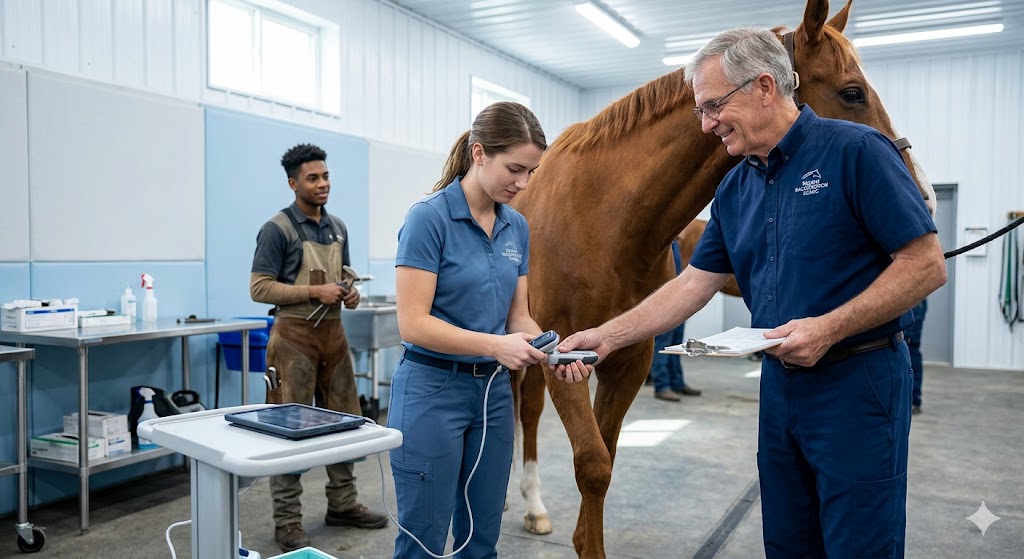
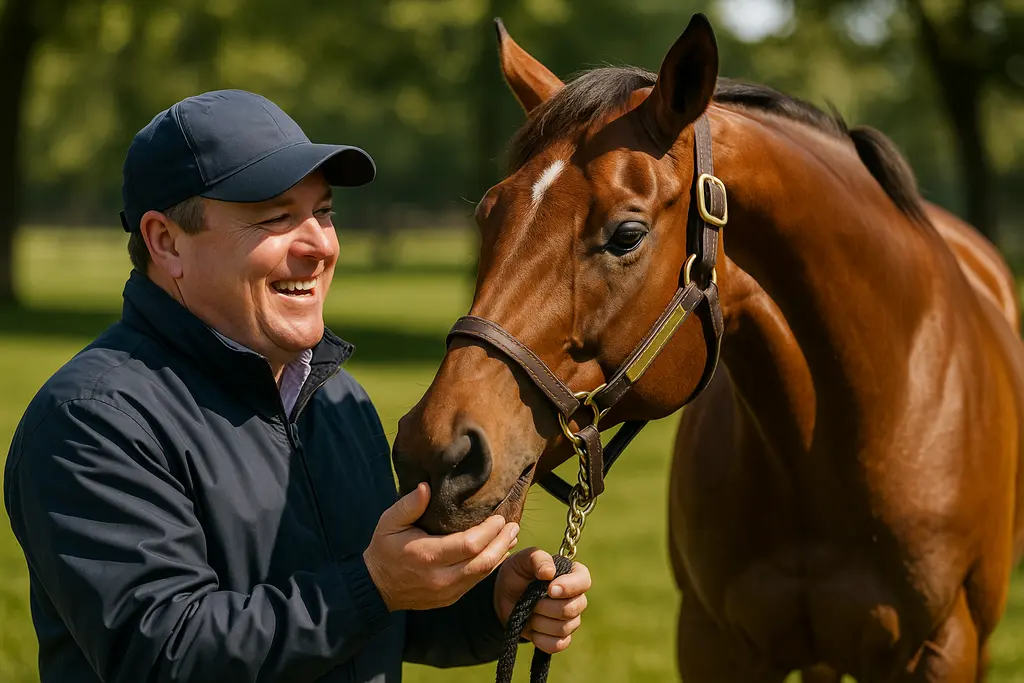
Leading bloodstock agent David Ingordo recently sparked widespread discussion by identifying a labor pipeline shortage as the most pressing threat to the sport. He noted a severe lack of incoming talent among trainers, veterinarians, farriers, and track executives. His proposed remedies centered heavily on structured apprenticeships, scholarship programs, and formalized mentorships to attract younger generations to the barns and front offices.
Ingordo points to the career path of his wife, trainer Cherie DeVaux, as a prime example of the patience required to build a successful stable. DeVaux spent years working as an assistant under elite trainers before establishing her own operation. This long, arduous learning curve is intimidating for newcomers.
Ingordo suggests creating industry resource centers and formalized education tracks to ease this burden. The logic is that providing a clear roadmap will prevent talent from abandoning the sport for easier careers.
The reality of working seven days a week in all weather conditions requires a specific type of dedication. Track management must find ways to reward that dedication with better living conditions, higher base pay, and clearer paths to advancement.
The rationale is clear. Operating a large-scale stable requires massive human capital. If the backstretch empties out, the races cannot happen.
Critics of this view argue that diagnosing labor as the primary disease misreads the symptoms. A shortage of workers is an effect of a declining industry, not the root cause. Healthy industries rarely struggle to attract ambitious talent.
The real crisis centers on the product itself. Retail bettors and casual fans are increasingly alienated by governance disputes, opaque oversight, and concerns over animal welfare. The retail betting public supplies the revenue that sustains the entire ecosystem. If the wagering handle drops from a lack of confidence, the funding required to pay those backstretch workers evaporates.
Repairing the labor pipeline is impossible without first rebuilding a product that consumers trust and support with their wagering dollars.
📉 The False Dichotomy: Staffing vs. Demand
Pitting workforce development against consumer confidence creates a false choice. The two issues are permanently linked. Yet, prioritizing recruitment over structural integrity is akin to hiring more sailors for a sinking ship.
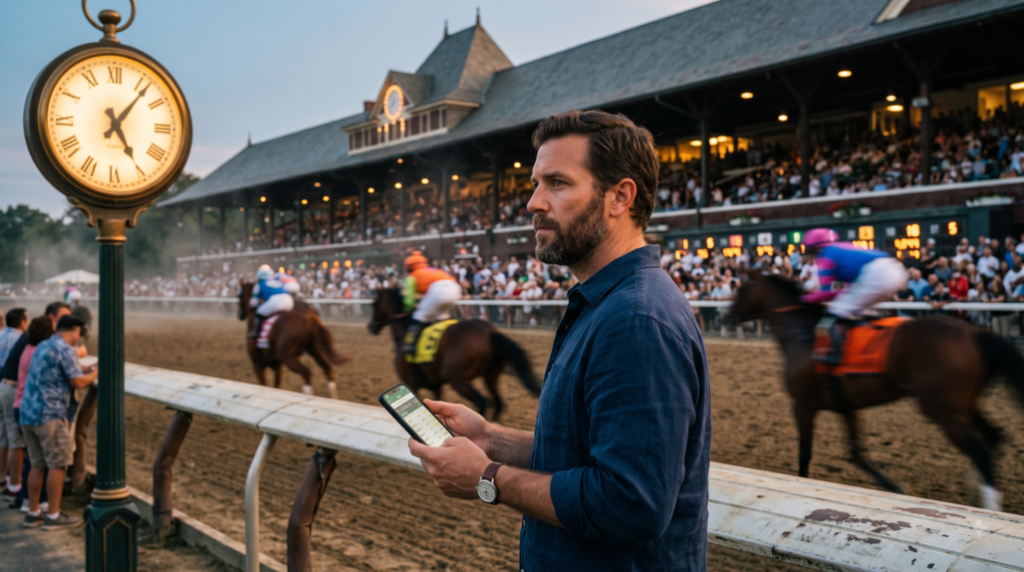
Bettors are highly sensitive to regulatory inconsistencies. When track rules vary wildly across state lines, the perceived fairness of the product plummets. A bettor analyzing a race in New York needs to know that the medication rules align perfectly with the races they are handicapping in California or Kentucky. A lack of national uniformity breeds suspicion.
Bettors want assurances that the competition is clean and that the horses are physically sound. Centralized authority attempts to bridge this gap.
The Horseracing Integrity and Safety Authority (HISA) published its 2026 First Quarter Metrics Report this May. The data provides a clinical look at the current state of equine safety in the United States. Track safety directly impacts public perception and, by extension, betting handle.
The modern public simply will not tolerate a sport that fails to prioritize the health of its animal athletes. A single catastrophic injury does profound damage to the brand of the entire sport, causing casual fans to tune out completely.
📊 By The Numbers: 2026 Safety and Integrity
Analyzing the regulatory environment requires hard data. The Q1 2026 HISA report establishes clear benchmarks for the industry moving forward.
| Metric (Q1 2026) | Data Point |
|---|---|
| Racing-Related Fatalities | 0.95 per 1,000 starts |
| Training-Related Fatalities | 0.67 per 1,000 workouts |
| Crop Rule Violations | 2.84 per 1,000 starts (Down 32% YoY) |
| Scratches per Entry | 11.7% (Flat YoY) |
These numbers represent measurable safety improvements. The decline in crop rule violations indicates that jockeys are adapting to stricter regulations. The fatality rate remaining below 1.0 per 1,000 starts demonstrates progress, but the public standard for animal welfare continues to tighten.
A single high-profile breakdown on national television can undo months of statistical progress. The betting public demands perfection in an inherently unpredictable athletic contest.
Safety statistics must translate into visible, consistent transparency to regain the trust of the alienated retail bettor.
🏇 The Jacob West Proposal: Reimagining the Calendar

If the foundation of the sport requires fixing, the actual presentation of the races needs an overhaul. Jacob West, another prominent bloodstock agent and industry executive, outlined a dramatic restructuring of the American racing calendar in late June 2026.
West argues that the sport loses its audience immediately after the Triple Crown season concludes. The momentum generated by the Kentucky Derby, Preakness, and Belmont Stakes completely dissipates by mid-summer. The casual fan vanishes until the Breeders’ Cup in November.
His proposed solution involves creating “Super Saturday” events on the first weekend of every month. The benefits of this restructured calendar include:
- Maximized Media Coverage: Consolidating top races guarantees larger television audiences.
- Clearer Narratives: Fans can easily track the top horses leading up to the Breeders’ Cup.
- Higher Wagering Handles: Stacked cards historically generate massive betting interest from casual gamblers.
The current system cannibalizes itself. Tracks card their biggest races in proximity, forcing owners to choose between venues and diluting the quality of the fields. Consolidating the best horses onto nationally promoted race days would create a continuous narrative arc.
This scheduling philosophy mirrors other successful professional sports. The NFL does not hide its best matchups on random Tuesday afternoons. They build entire weekends around their premium product. Racing spreads its stars too thin, making it difficult for new fans to follow the sport’s biggest names.
You can read more about West’s comprehensive ideas regarding industry restructuring in the recent TDN discussion on racing’s biggest problems. The piece highlights how calendar fragmentation directly harms viewership and betting handle.
A reorganized schedule that strings together high-profile events would keep bettors engaged and provide a stable platform for long-term growth.
⚖️ A Structural Mandate
The internal conversations happening this summer highlight a sport forced into self-reflection. Addressing the labor shortage requires money. Funding the purses requires high betting handles. Maintaining high handles requires absolute trust from the wagering public.
The sport cannot rely on tradition to sustain its financial model. Historical prestige does not pay the feed bills or the veterinary tabs. Track operators face intense competition from legal sports betting and digital casino platforms. These alternatives offer low-friction, highly regulated environments for gamblers.
To compete, horse racing must modernize its entire approach to the customer. This means prioritizing the bettor’s experience over insular industry politics. Tracks must offer competitive takeout rates. Regulatory bodies must administer swift, transparent penalties for medication violations.
The industry is testing new programs to support owners and buyers. For instance, The Jockey Club recently hosted a 2026 OwnerView Webinar focusing on tools that improve the experience of purchasing horses at auction. Initiatives like this are necessary steps for transparency at the entry level of the sport.
If a buyer feels secure investing capital at a yearling sale, that confidence must carry over to the bettor placing a wager on a Tuesday afternoon claiming race. The ecosystem is entirely interconnected.
The Jockey Club holds regular webinars covering advanced ownership strategies and auction procedures. Educating new owners creates a more stable financial base for the entire sport. This financial stability directly impacts the ability to attract top-tier trainers and veterinarians.
Fixing the foundation is the only way to save the pipeline. Talented young professionals will naturally gravitate to an industry that protects its customers and projects financial stability. Young veterinarians and trainers want to work in an environment defined by modern welfare standards and strong public support.
The sport possesses all the necessary components for a resurgence. The equine athletes remain spectacular. The tactical depth of handicapping offers an intellectual challenge unmatched by basic sports betting.
The mandate for late 2026 is execution. Leaders must move beyond diagnosing the problems and begin implementing the structural changes required to save the game.
The survival of American horse racing depends entirely on rebuilding a transparent, bettor-first product that commands the respect of the modern sports consumer.