The road to the Triple Crown has always been demanding. But in 2026, something feels different.
There’s no dominant headline horse. No early-season superstar separating from the field. Instead, what we’re seeing is a more balanced, unpredictable crop — and that shift says a lot about where modern horse racing is heading.
🏇 A More Open, Competitive Field
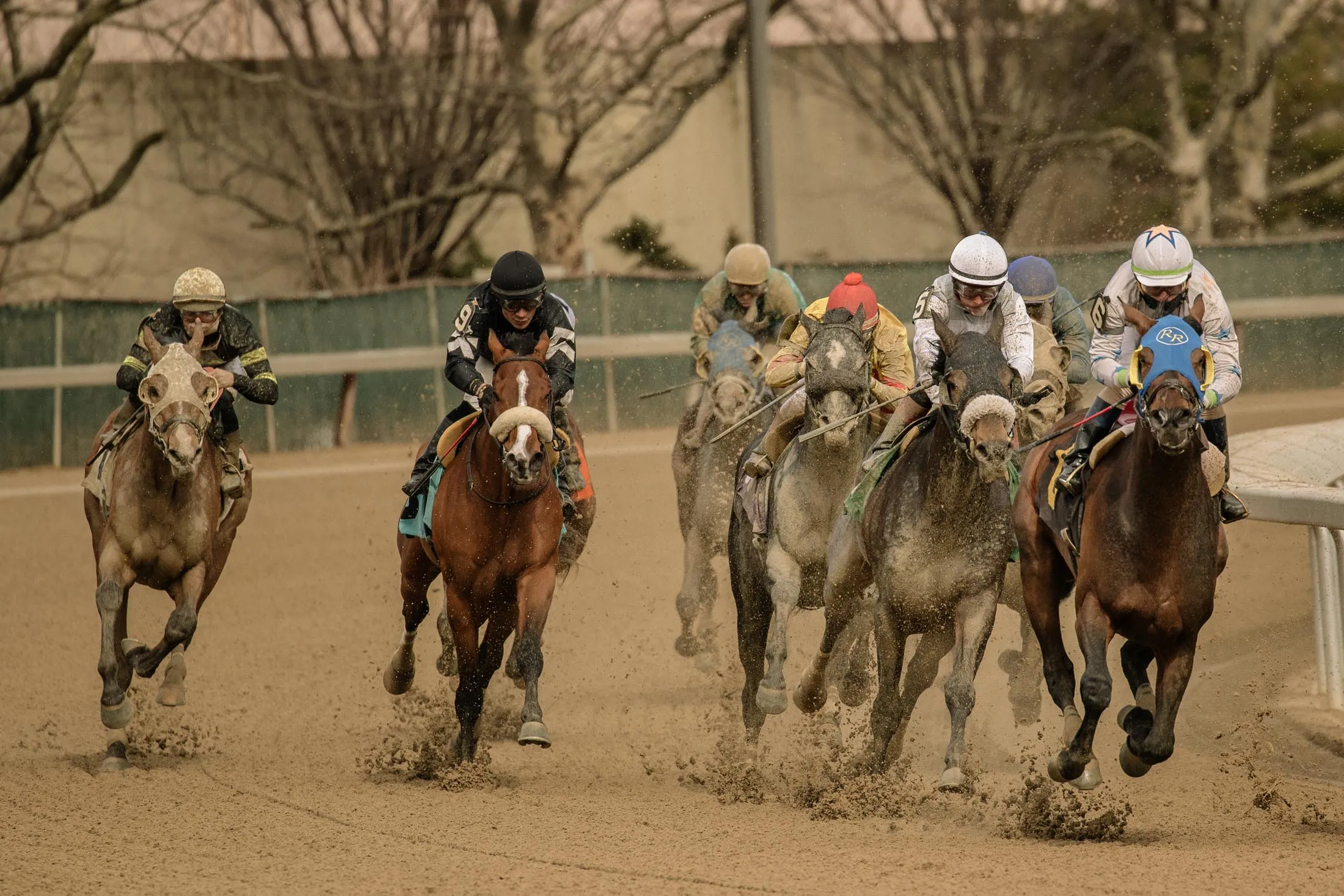
Unlike past seasons where one or two names controlled the narrative, the 2026 Triple Crown trail is wide open.
Several contenders are stacking points and performances, but none have fully taken control. That creates a different kind of tension — one driven by depth instead of dominance.
For fans and bettors, this means:
- More uncertainty heading into prep races
- Greater value in late-season performances
- A stronger focus on development rather than hype
📉 The Shift Away From Early Superstars
In previous eras, standout horses often emerged early and stayed on top.
That’s becoming less common.
Modern training approaches prioritize:
- Fewer races before the Derby
- Controlled workloads
- Long-term conditioning over early exposure
As a result, many horses are peaking later — closer to the Kentucky Derby itself. The 2026 trail reflects this clearly: contenders are improving in real time, not arriving fully formed.
⚡ Why Timing Matters More Than Ever
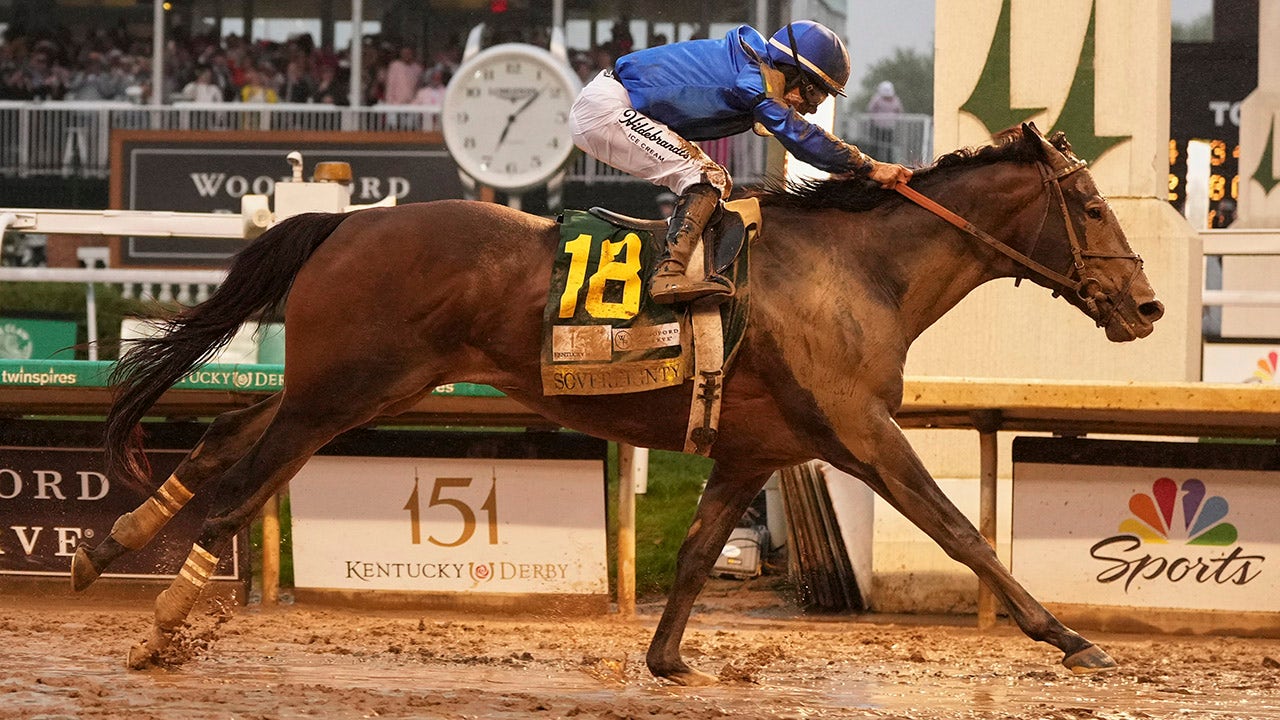
The biggest difference this year isn’t talent — it’s timing.
Winning early prep races doesn’t carry the same weight it once did. What matters now is how a horse is progressing in March and April, not January.
Key indicators trainers and analysts are watching:
- Strong finishes in final prep races
- Ability to handle longer distances
- Composure under pressure
- Tactical flexibility in crowded fields
In a race like the Kentucky Derby, where chaos is guaranteed, maturity can matter more than raw speed.
🌍 A More Global Triple Crown Landscape
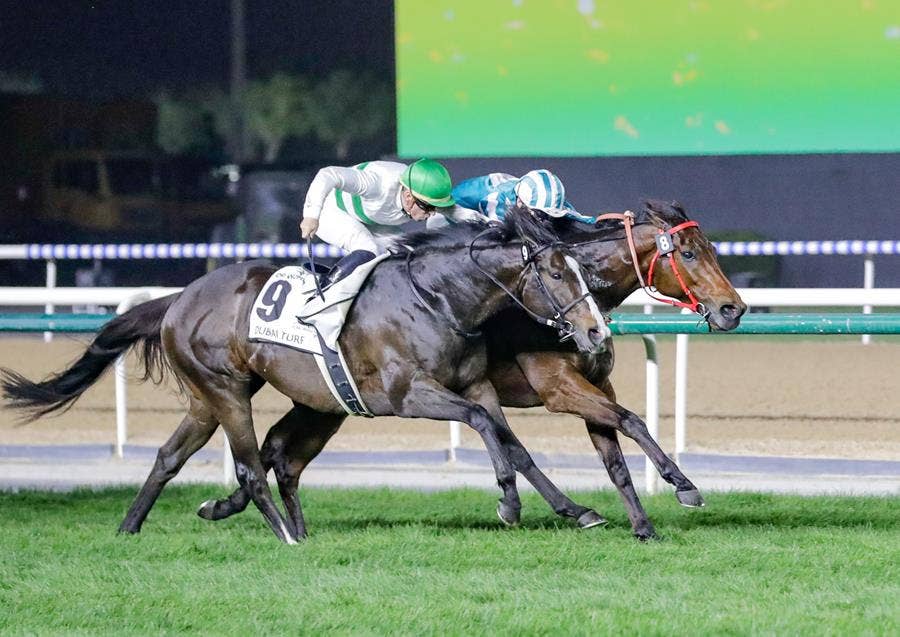
Another reason the 2026 trail feels different is the growing international presence.
Contenders from Japan and Dubai prep circuits are no longer outsiders — they’re legitimate threats. Their participation adds new variables:
- Different racing styles
- Travel and adaptation factors
- Stronger overall competition
The Triple Crown is no longer just an American storyline. It’s becoming a global one.
🧠 What This Means for Modern Horse Racing
The 2026 Triple Crown trail highlights a broader shift in the sport:
- Development over dominance
- Precision training over heavy racing schedules
- Global competition over regional narratives
This evolution makes the sport more complex — but also more compelling.
Instead of following a single favorite, fans are now tracking multiple storylines unfolding at once.
🏁 Final Thoughts
The 2026 Triple Crown trail doesn’t feel weaker — it feels different.
It’s less about one legendary horse rising early, and more about a group of contenders evolving at the right time. That shift reflects how horse racing itself is changing.
And if this trend continues, the future of the Triple Crown won’t be defined by dominance —
but by who peaks when it matters most.